Upcoming FREE Webinars
- Landscape Driven Stressors during Migratory Pollination with Dr. Ryan Kuesel. July 19th 4pm PT
- Controlling Honey Comb Storage Pests with Joey Rosario. August 2nd 1pm PT
- Using DNA from the Environment to Assess Colony Health with Taydin Macon. September 8th 4pm PT
- Entomopathogenic Metarhizium for Varroa Control with Molly Quade. October 10th 6pm PT
2024 WASBA Scholarship Winner Report: Taydin Macon
Environmental DNA (eDNA) research is emerging as a powerful tool for detecting and monitoring honey bee pests and pathogens; eDNA refers to genetic material shed by organisms into their surroundings. Hopkins lab Ph.D. student, Taydin Macon, was one of the two 2024 WASBA Scholarship winners. One of Taydin’s research focuses is creating ways to use eDNA extracted from hive materials to detect pests or pathogen without needing to directly observe or capture them.
In a preliminary trial, he used small hive beetle (SHB) larvae since they survive better in laboratory conditions compared to Varroa mites. Taydin made enclosures by puncturing small holes into plastic Tupperware containers. Once enclosures were made, groups of 2, 4, or 8 small hive beetle larvae will be placed inside. Each group had 3 replications, making 9 in total. Larvae were given protein patties to feed on during the experimental period. Later he wiped all enclosures down with alcohol wipes, then used those to extract eDNA from the enclosure. He amplified and quantified the eDNA using a molecular process called quantitative polymerase chain reaction (qPCR).
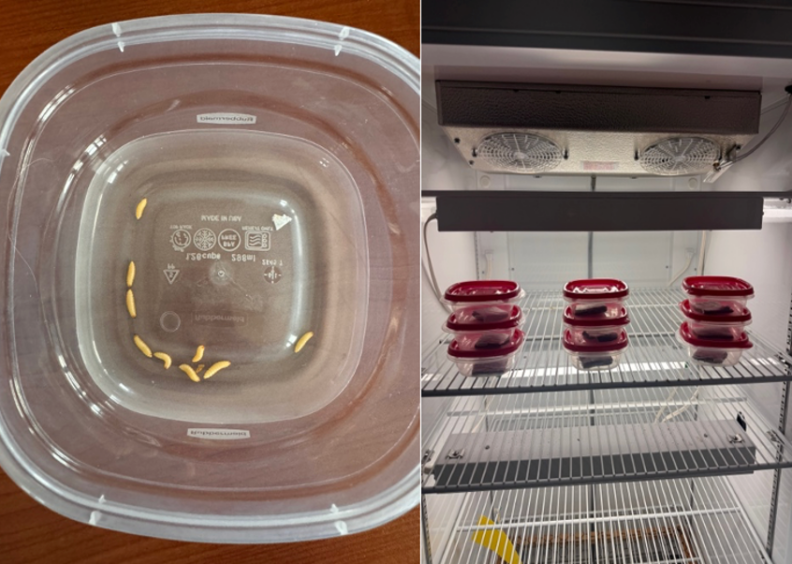
Taydin’s preliminary results showed no statistical or biological differences in amount of eDNA collected from the cage wipes. However, the enclosures that held 8 SHB larvae still had the most DNA collected. Moving forward, Taydin plans to repeat this experiment with more replications and plans to utilize 10 miteless nurse-aged honey bees and different densities of Varroa in the enclosures (5, 10, or 20 mites). Enclosures with bees and mites will be incubated for 3 days. After 3 days, bees and mites will be removed and the enclosures will be wiped down with an ethanol wipe to quantify eDNA as described previously.
Along with these projects, Taydin has been leading efforts for apiary management, conducting other lab and field experiments, and has given presentations about his eDNA research as well as bee safety around pesticides.
- Presented at NWDBA monthly meeting on January 14, 2025
- Pesticide and Pollinators Talk in Tacoma on January 22, 2025
- Pesticide and Pollinators Talk in Bellingham on March 26, 2025
- Pollinator event in Spokane on June 17, 2025
New Faces in the Bee Program
We recently welcomed a few new members to our bee program research team: Gian Roque, Dr. Tracey Peters, and Chance Hobday!
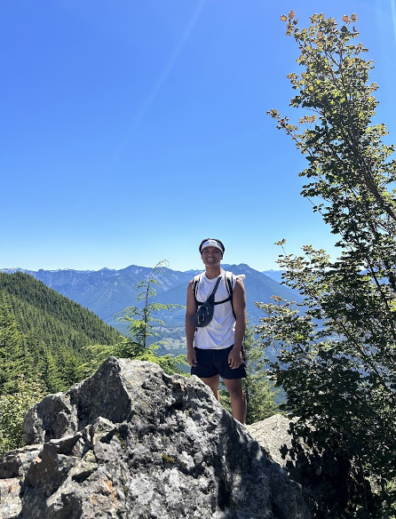
Gian Roque is an undergraduate in Mechanical Engineering at Washington State University. Originally from Seattle, Gian came to WSU for a new and different environment while also staying close to home. At WSU, Gian enjoys spending his time playing volleyball as part of the WSU Club Volleyball team, and broadening his academic lens by being part of the Honey Bee Lab as a lab technician.
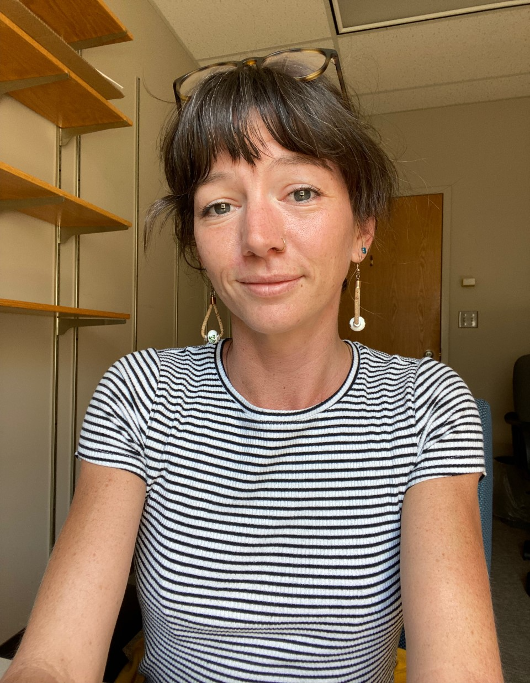
Dr. Tracey Lee Peters is a Delaware native who earned her doctorate in Food Science Microbiology from the University of Tennessee Knoxville where she studied bacteriophages and their food safety applications against foodborne pathogens such as Listeria monocytogenes. She previously worked as a Research Scientist at the University of Idaho, where she specialized in bacteriophage research focused on developing phages and phage-derived proteins as natural biocontrol agents against pathogens like Pseudomonas aeruginosa, Klebsiella pneumoniae, Escherchia coli and Paenibacillus larvae.
Her current research focuses on honey bee toxicology, specifically investigating the effects of pesticides on adult honeybees and honeybee brood (larvae), and developing enzymatic approaches for pesticide degradation and detoxification in bees. Tracey Lee brings extensive experience in molecular biology, genomic analysis, resistance evolution, and laboratory techniques to her work on pollinator health, combining her background in microbiology and experimental evolution with practical beekeeping knowledge gained through Washington State Beekeepers Association certification. Her interdisciplinary approach addresses critical challenges in pollinator protection and agricultural sustainability through the development of innovative detoxification strategies for pesticide-exposed bee populations.
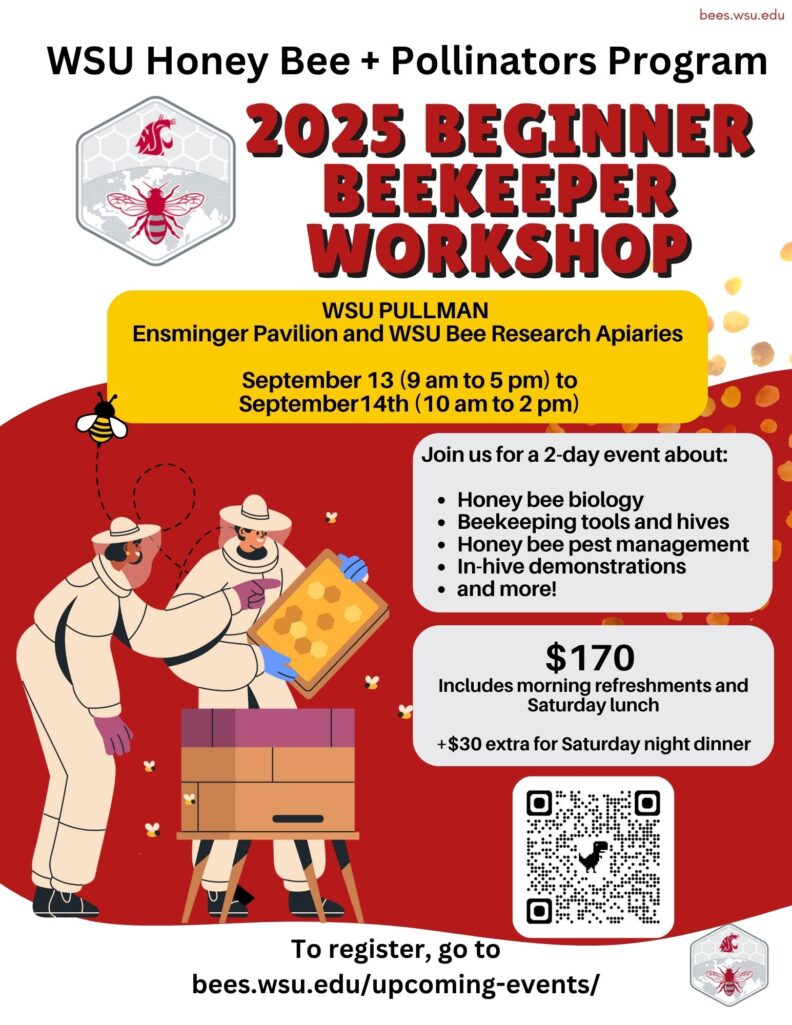
Register Now: Beginner Beekeeping Workshop
We’re wrapping up the year with a warm welcome to new beekeepers! This upcoming workshop is designed to give beginners the knowledge and confidence to start their beekeeping journey. Join us for a 2-day event about honey bee biology, beekeeping tools and hive types, honey bee pest management, in-hive demonstrations, and more!
- Location: Pullman, WA
- Registration Fees: $170 Workshop Only or $200 Workshop + Saturday night dinner
If you are considering becoming a certified Beginner Beekeeper through WASBA, this workshop will satisfy the requirements! Bee-come a certified WASBA Beginner Beekeeper by attending this workshop!
Six Recent WSU Bee Program Workshops were Buzzing with Excited Attendees!
It’s been an extremely ‘buzzy’ workshop-filled summer! Here’s what we accomplished so far—and what some participants had to say:
Microscopy Magic in Puyallup and Othello, May 24 & May 31
We hosted two diagnostic microscopy workshops that gave participants the opportunity to learn how to diagnose Nosemosis and tracheal mite infection. This workshop sold out in Puyallup two years in a row – it’s a hands-on favorite!
- “What a great team! Bri is an excellent presenter and answered all questions with authority. Rae added depth to the conversation. Thank you for taking time out of your weekend to inform me and improve my beekeeping practices. My bees thank you.”
Metarhizium for Varroa Control – Exclusive Event in Othello, June 1
This special session focused on the promising use of Metarhizium fungi as a biological control for Varroa mites. Cutting-edge science meets practical beekeeping! A small group of citizen scientists were invited to receive hands-on training on how to use this experimental biopesticide in their colonies.
- “Great job – so much work! I can see improvements from the last citizen scientist project. This workshop covered all aspects very well in a lot of detail. Thank you for showing us behind the scenes and what’s to come – excited to be a part of this journey”
Mini Workshop with PNW Bee Club in Vancouver, June 7
In spirit of collaboration, we teamed up with the PNW Club, previously known as the PNW Queen Rearing Club, in Clark County to host a mini-workshop about queen rearing on a smaller scale. It was a great chance to connect, share, learn from each other, and boost their club membership. The club gained nine new members.
- “Thank you so much! Very informative and I truly enjoyed the class and learned a new understanding of beekeeping.”
Queen Rearing in Othello, June 21
Participants learned the process of raising their own queens—from selecting breeder colonies to grafting larvae, to importance of nutrition for queen development, to managing mating nucs. A HUGE thank you to our guest speaker, Melanie Kirby.
- “The breadth of knowledge between instructors was great. There were good opportunities to ask my specific questions. More than enough time for lunch, networking, and practicing grafting. Lunch & snacks appreciated.”
Fungi for Bees Workshop in Puyallup, July 13
This event explored the fascinating intersection of mycology and apiculture, diving into how fungi can support bee health and colony resilience. Attendees were given the opportunity to see inside honey bee colonies and take-home beneficial fungi growing kits.
- “Enjoyed talking to the presenters & attendees. Great work Bri & WSU team!”
4-H Outreach
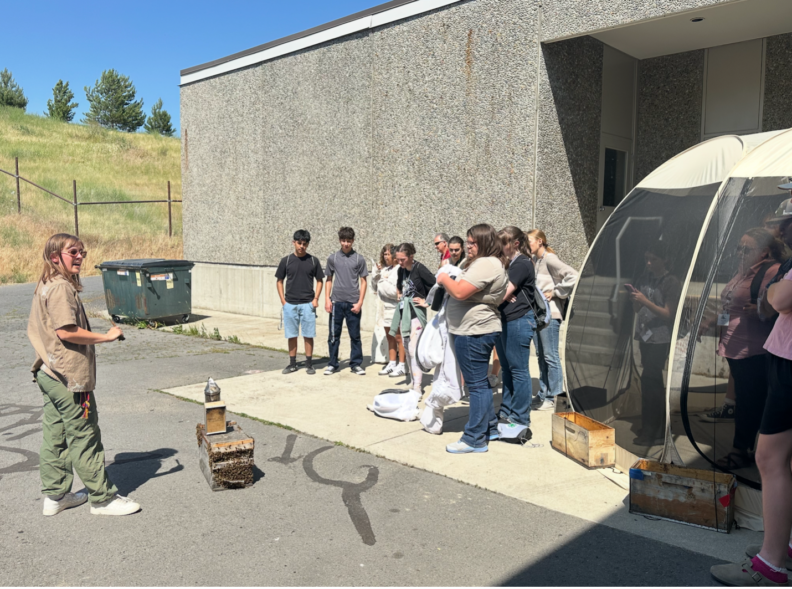
In June, WSU Bee Program members, including Dr. Priya Chakrabarti Basu, Dr. Taylor Reams, Mckaela Whilden, Janae Becher, and Molly Quade led two bee themed mini-workshops, “Buzz About Bees”, at the WA State 4-H Teen Conference in Pullman, WA. The morning session had approximately 12 participants who learned about pollinator diversity, as well as honey bees and their importance in ecosystems agriculture. Attendees also engaged in hands-on STEM activities such as pipetting, bee dissections, pollen viewing and microscopy. The afternoon session was attended by approximately 37 4-H participants from Washington State University and University of Idaho. Attendees visited the Pullman WSU Bee Program field laboratory and learned more about the research our program is conducting, engaged in beekeeping opportunities, and learned more about honey bee pest and parasite hands-on diagnostic techniques. Dr. Priya Chakrabarti Basu also attended the evening banquet, where she engaged 4-H participants and offered insight into careers in STEM and other university degrees.
Read it here first! New Extension Factsheet about Navigating the Mite Spectrum in Honey Bee Colonies
Read about:
- Harmful honey bee mites
- Tropilaelaps spp. as an emerging threat
- Detecting mites in honey bee colonies
- Other mites associated with honey bee colonies
- Reporting suspicious mites in Washington State
Download this Extension factsheet here
Do you want to get emails from us about events, volunteer opportunities, breeder queen sales, and more?
Join our WSU Bee Program email list by filling out this form
Looking for speakers for an event?
Check out our Request a Speaker page
Looking for more updates on beekeeper happenings in Washington? Check out the Washington State Beekeepers Association newsletters
Author: Bri Price, Honey Bee Program Extension Coordinator