Principal Investigators
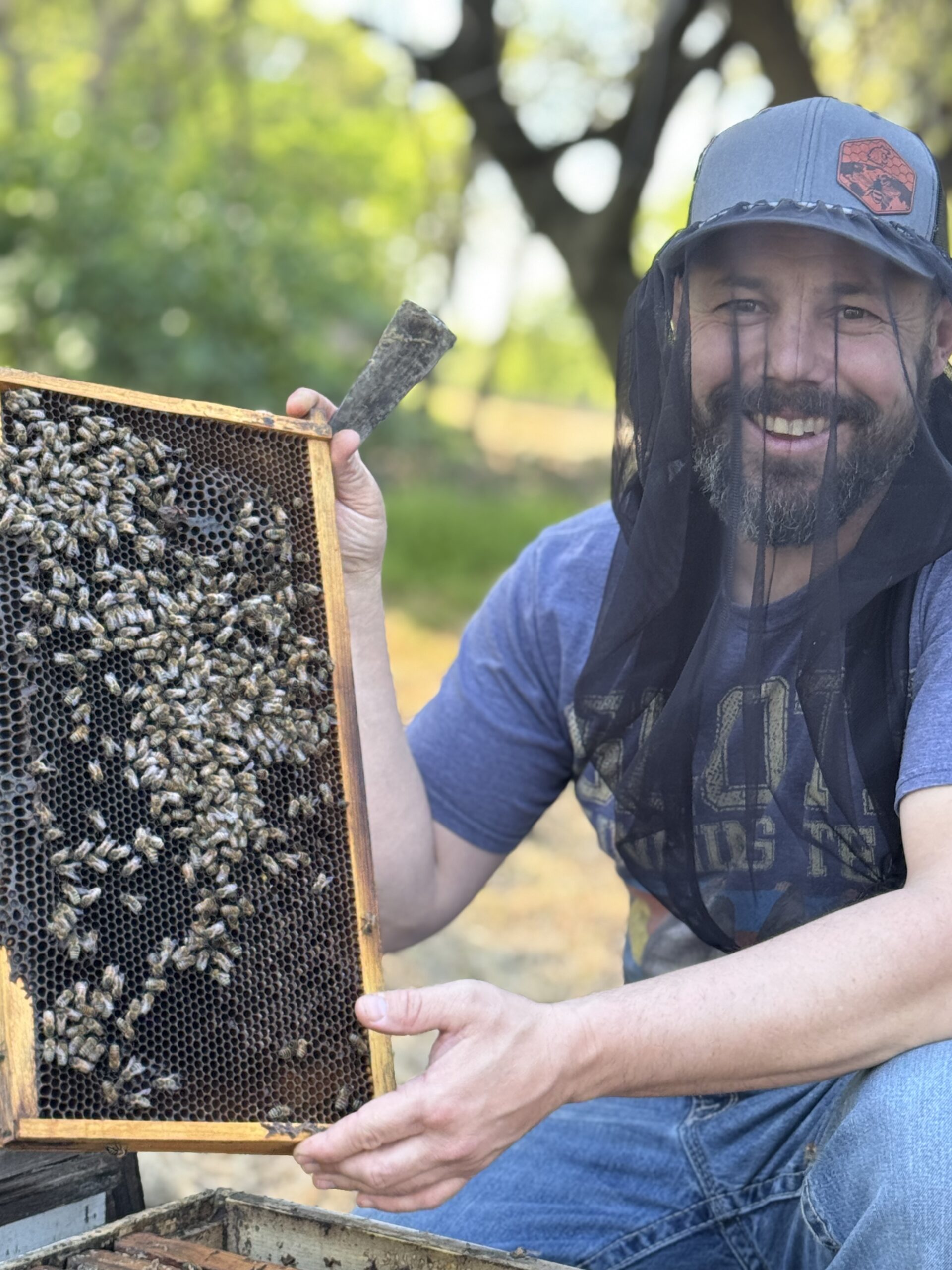
Dr. Brandon Hopkins,
P.F. Thurber Endowed Distinguished Professor of Pollinator Ecology
Dr. Hopkins worked on cryopreservation of honey bee semen and other assistive reproductive techniques in honey bees during his graduate studies. His current research focuses on honey bee reproductive biology, germplasm collection and cryopreservation, as well as honey bee health and pest management through research apiary laboratory oversight and field research.
(he/him/his)
bhopkins@wsu.edu
Hopkins Lab
(he/him/his)
bhopkins@wsu.edu
Hopkins Lab
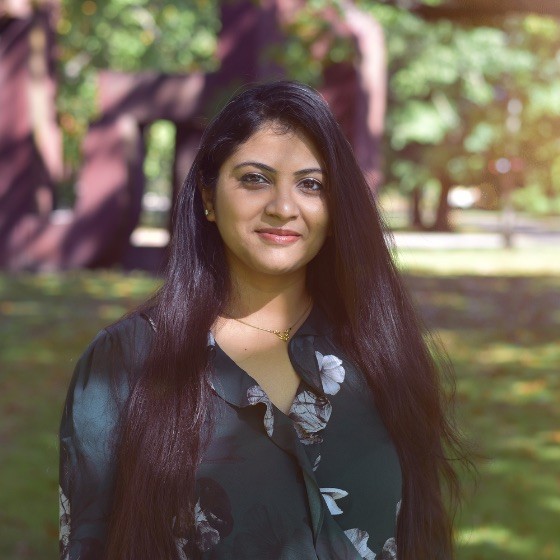
Dr. Priya Chakrabarti Basu, Assistant Professor of Pollinator Health and Apiculture
Dr. Chakrabarti Basu specializes in honey bee nutrition, impacts of pesticides and changing climate on honey bees, and honey bee behavior and biology. She employs various interdisciplinary research techniques such as mass spectrometry-based metabolomics, lipidomics and proteomics, insect physiology, insect neuroethology, and apicultural practices to answer research questions.
(she/her/hers)
priya.basu@wsu.edu
PCB Lab
(she/her/hers)
priya.basu@wsu.edu
PCB Lab
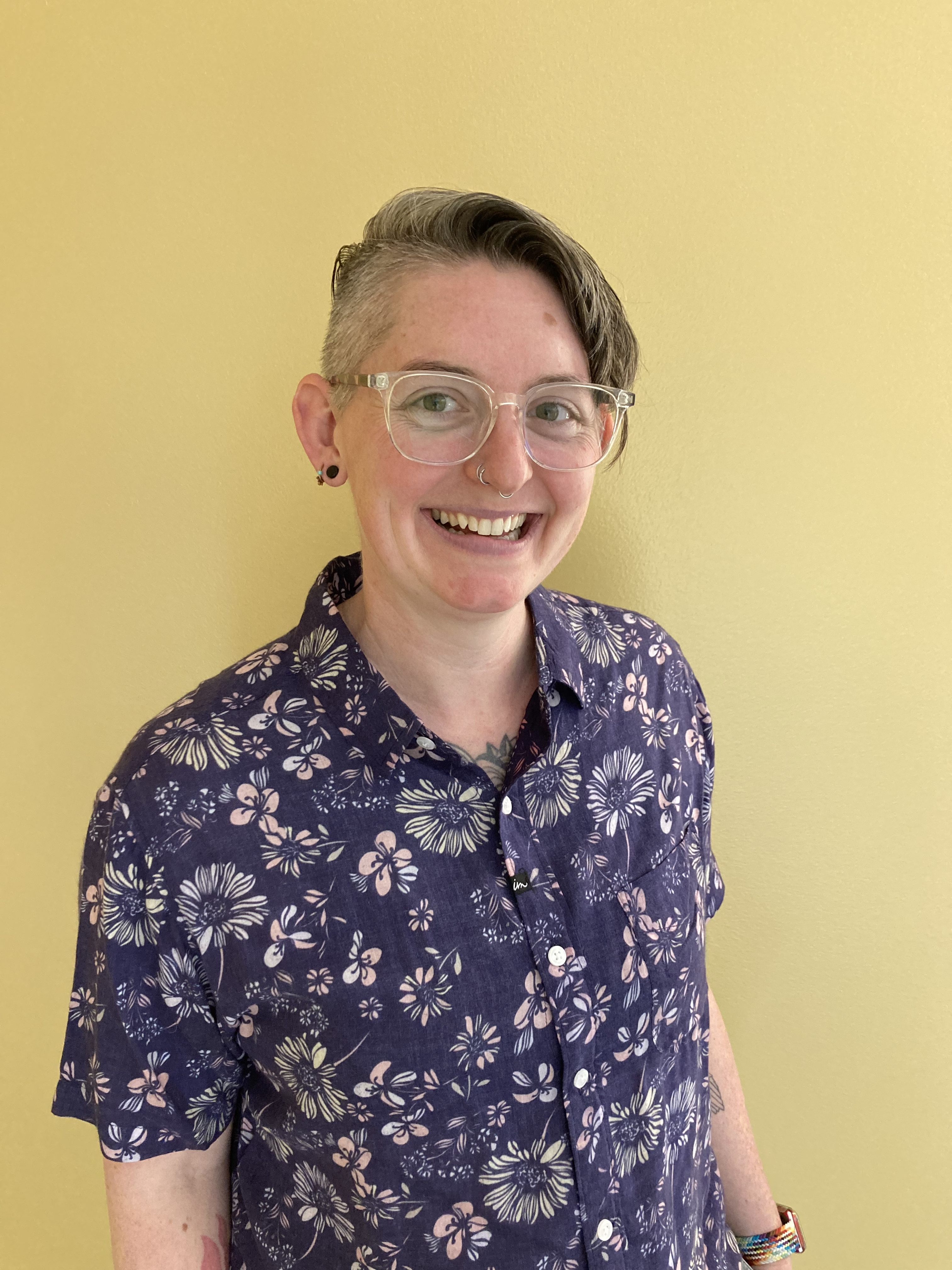
Dr. Rae Olsson,
Scholarly Assistant Professor
Rae started with the Bee Program in 2020 as a postdoctoral researcher studying the effects of environmental conditions on the health and winter mortality of honey bees. During this time, they discovered a deep love of teaching and extension, and in supporting honey bee research rather than leading their own. After a year and a half as the program administrator for the bee program, Rae became a Scholarly Assistant Professor. Their work focuses on teaching university courses, leading extension education projects, and mentoring the next generation of entomologists in the department. Rae’s expertise of the regional pollinators of the PNW, along with the institutional knowledge of WSU and the state of Washington, will continue to serve beekeepers and students throughout the Northwest.
(they/them/theirs)
rae.olsson@wsu.edu
(they/them/theirs)
rae.olsson@wsu.edu
Professor Emeritus
Dr. Walter (Steve) Sheppard
Dr. Sheppard has been at WSU since 1996. He recently retired (2024) and is currently a Professor Emeritus at WSU Honey Bees + Pollinators Program. Previously, he was the Thurber Professor of Apiculture in the Department of Entomology, and served as the entomology department chair for a number of years. He specializes in honey bee genetics and evolution, honey bee breeding, colony health research, honey bee gene diversity, and honey bee germplasm acquisition.
shepp@wsu.edu
More about Dr. Sheppard
(he/him/his)
shepp@wsu.edu
More about Dr. Sheppard
(he/him/his)
Scientific Staff, Administrative Support
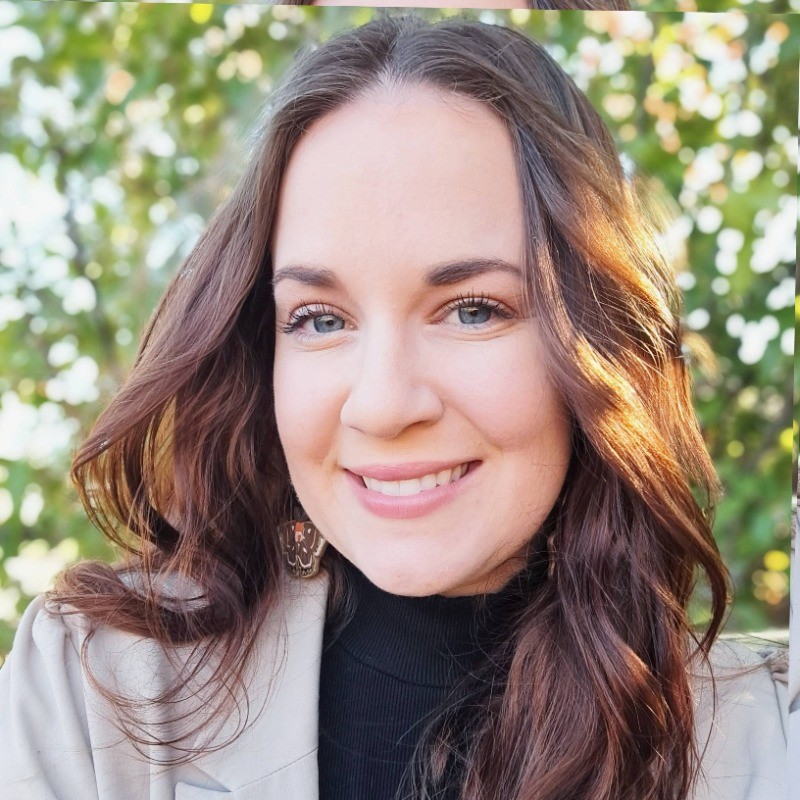
Bri Price
Education and Outreach Coordinator
Bri attended Oregon State University for both her undergraduate and graduate degrees and has strong interests in pollinators and education. She does extension and outreach about honey bees and other pollinators through seminars, workshops, bee program blogging, attending bee association meetings, and writing factsheets. She is facilitating a new Master Beekeeper Certification with the Washington State Beekeepers Association.
(she/her/hers)
briana.price@wsu.edu
(she/her/hers)
briana.price@wsu.edu
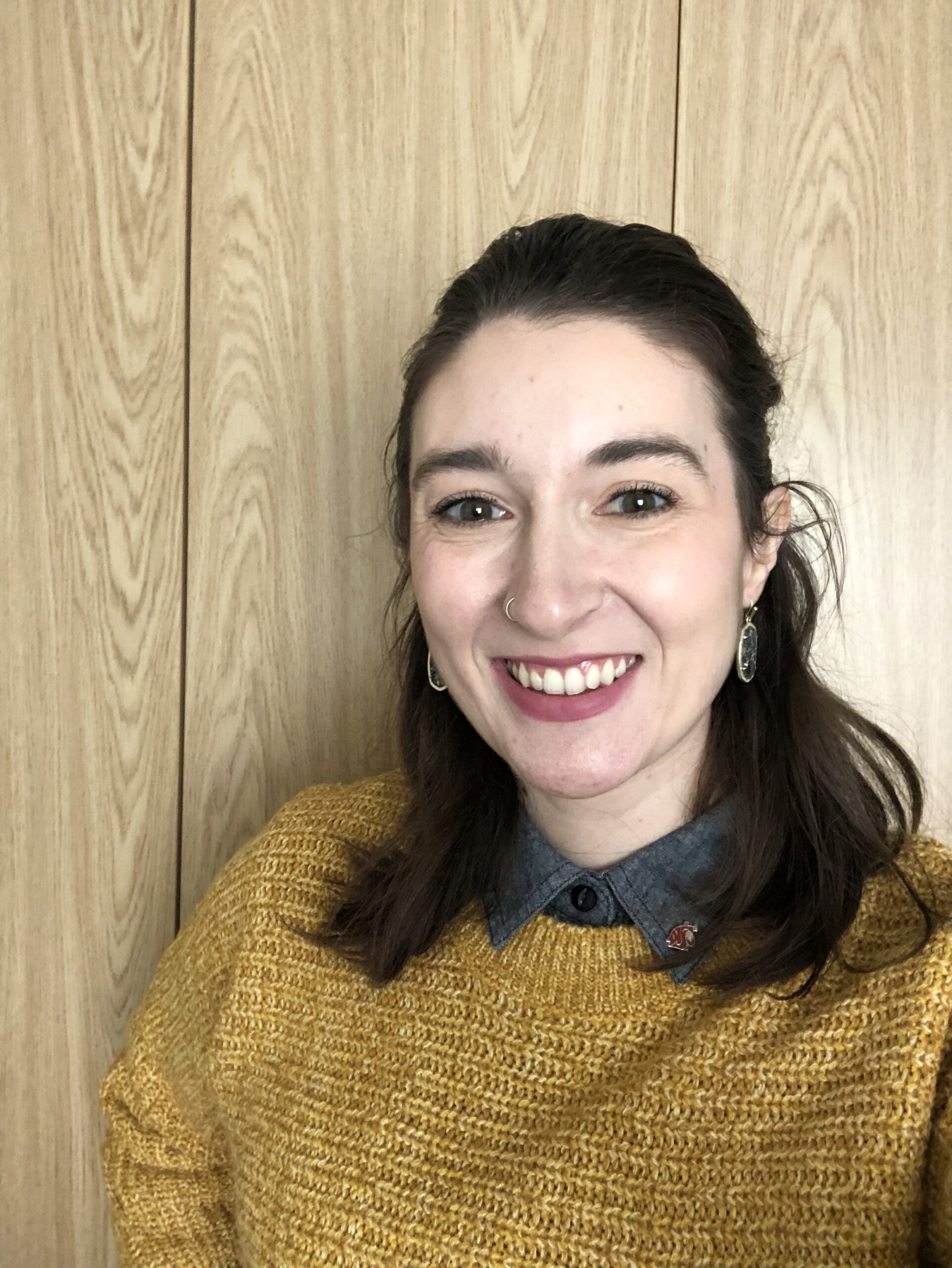
Kiersten Ritchie, Ph.D. Candidate &
Apiary Manager
Kiersten Ritchie is interested in pollinators, agriculture, and honey bee reproductive biology. Kiersten received her bachelor’s degree in biochemistry from the University of Washington where she took an entomology course that sparked her passion for honey bees and all insects. Her PhD research in the WSU Bee Program focused on differential sperm use by honey bee queens of different subspecies.
(she/her/hers)
kiersten.ritchie@wsu.edu
(she/her/hers)
kiersten.ritchie@wsu.edu
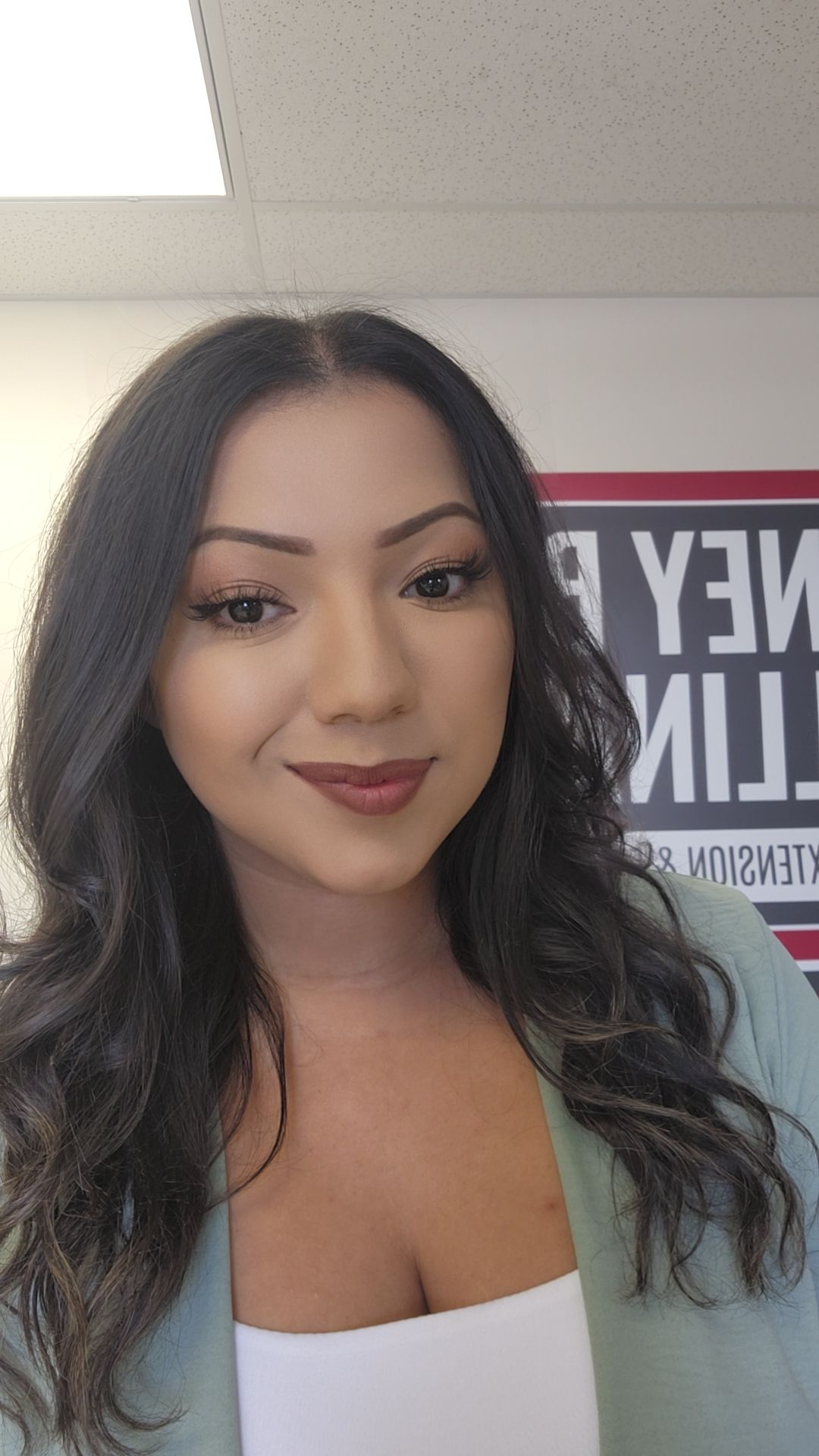
Jenifer Silva,
Othello Facility Office Manager /
Program Coordinator
Jenifer grew up in Othello, WA. She enjoys hiking, paddle boarding, documentaries and photographing wildlife. Exploring new places brings her joy. Her passion for environmental conservation started 5 years ago and she realized that if we all work together, we can provide a sustainable future for generations to come. Jenifer is proud to be part of the honey bee research program.
(she/her/hers)
jenifer.silva@wsu.edu
(she/her/hers)
jenifer.silva@wsu.edu
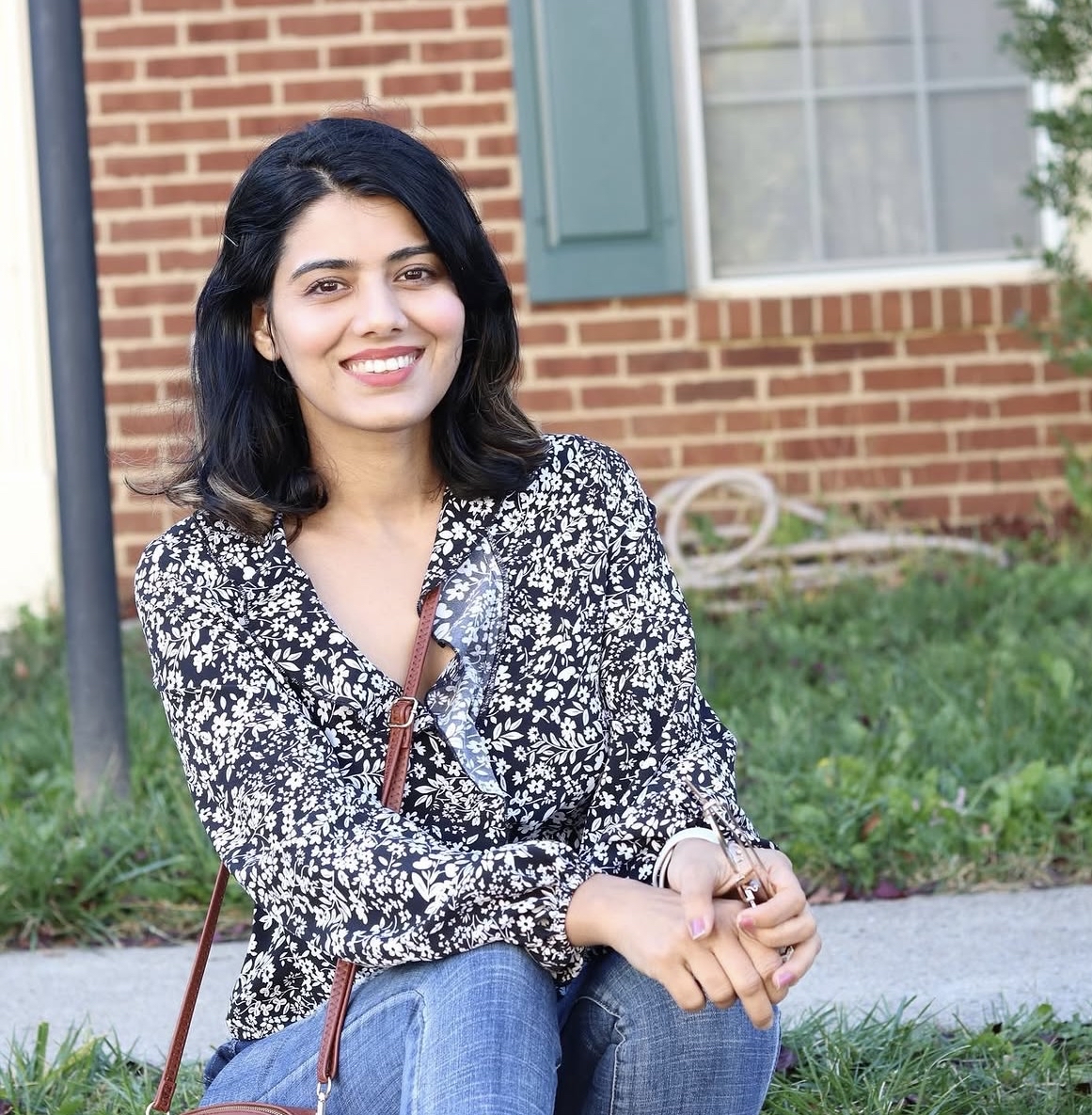
Asmita Gautam
Asmita was born in Nepal and completed her undergraduate education there before moving to the United States for graduate studies. She earned her master’s degree in Entomology from Tennessee State University. She worked as a research technician at Mississippi State University, where she began working with bees and developed her research experience in bee biology. She joined Washington State University as a research technician and is currently working on PCB Lab‘s National Phenology Wheel, where she focuses on pollen identification, coordination of volunteers, and contributes to manuscript preparation. In her free time, she enjoys traveling, painting, and practicing yoga.
(she/her/hers)
asmita.gautam@wsu.edu
(she/her/hers)
asmita.gautam@wsu.edu
Postdoctoral Research Scholars
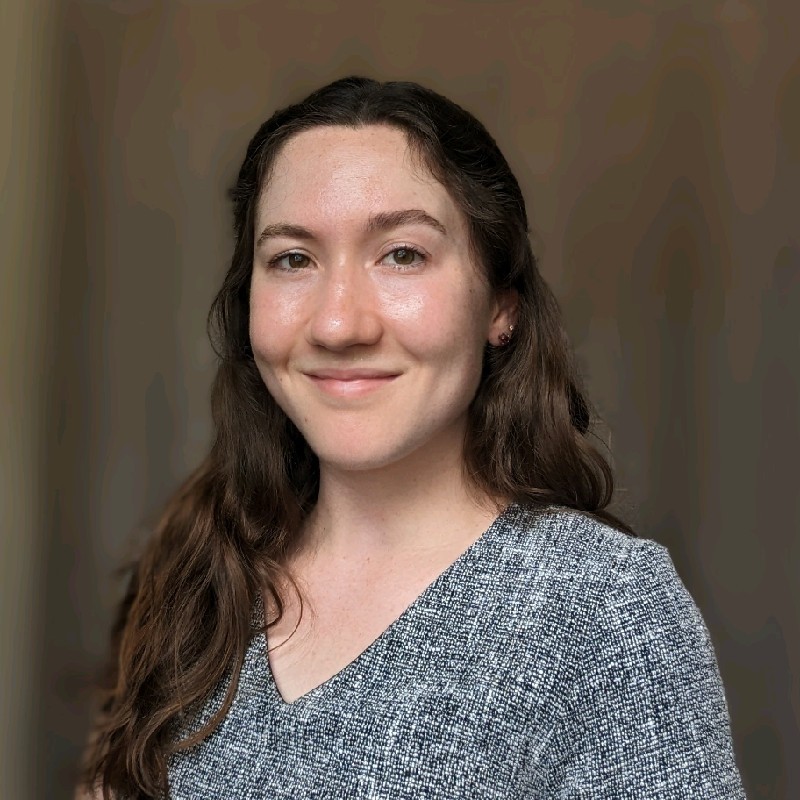
Dr. Allyson Martin
Ally earned her Ph.D. in entomology at Louisiana State University researching how natural product feed additives support honey bee nutrition, immunity, and the gut microbiome. As a Washington Research Foundation Postdoctoral Fellow in the Basu Lab at WSU, her current work aims to explore the impacts of non-crop floral resources (NCFRs) on the health and productivity of managed pollinators and the other ways in which NCFR adoption may benefit orchard management. Through collaboration with other researchers in the WSU Honey Bees + Pollinators Program and the WSU Tree Fruit Research and Extension Center, she hopes to advance scientific understanding of bee-friendly practices in orchards and ultimately increase grower awareness and adoption of such practices.
(she/her/hers)
(she/her/hers)
Graduate Students
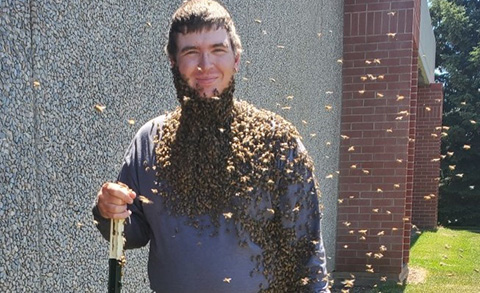
Riley Reed
Ph.D. Candidate, Hopkins Lab
Riley caught his first swarm during his junior year of high school and was immediately hooked. He completed his B.Sc. from WSU while working as a technical assistant in the honey bee program. His research interests include Varroa and beekeeping management and improving pollinator forage.
(he/him/his)
(he/him/his)
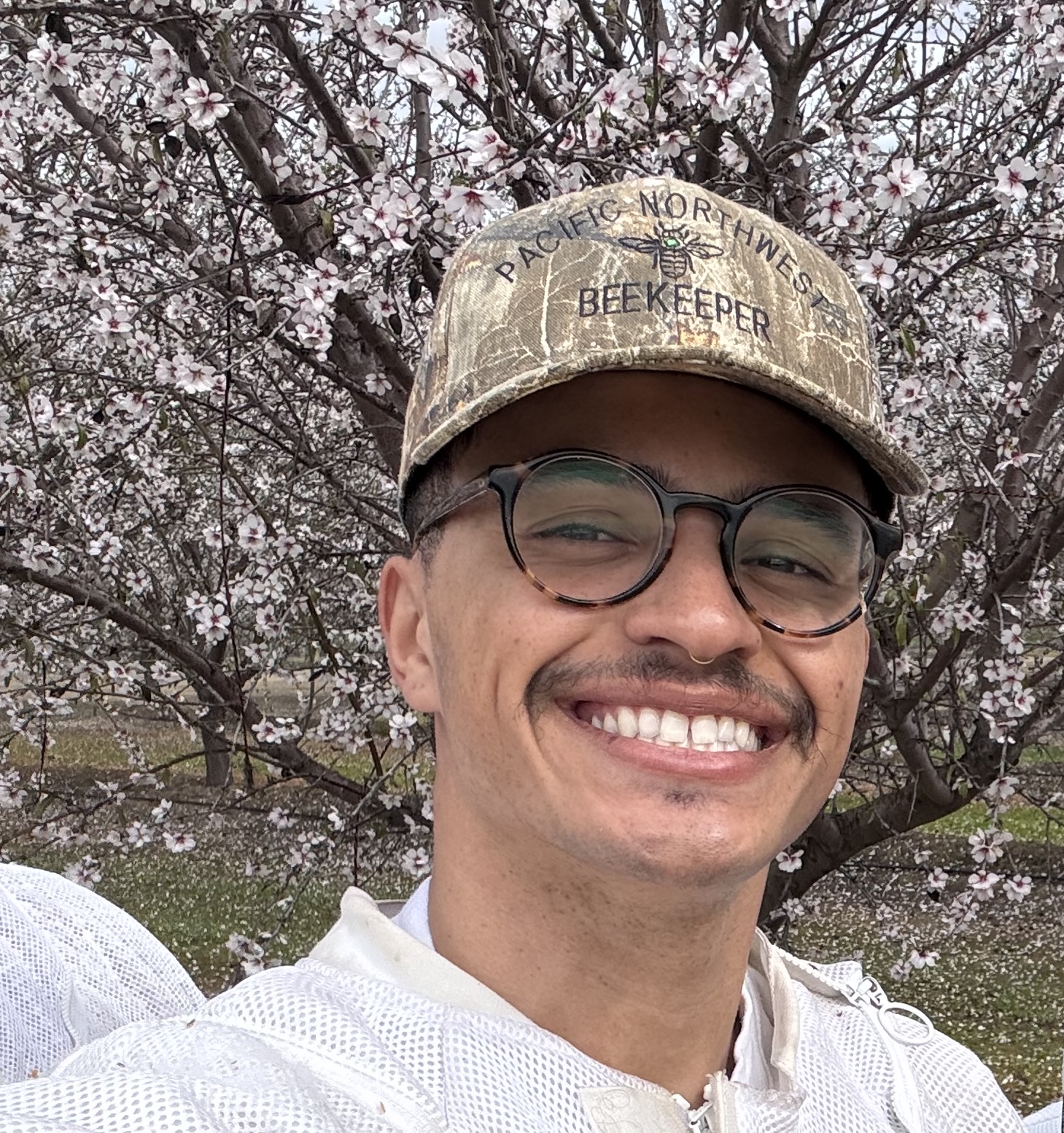
Taydin Macon
Ph.D. Candidate, Hopkins Lab
Taydin Macon is a PhD Student co-advised by Dr. Brandon Hopkins and Dr. David Crowder. His research projects investigate many of the problems faced by commercial, sideliner, and hobbyist beekeepers. Specifically, Taydin has conducted research on novel methods for pest and pathogen detection in colonies, novel varroa mite treatments, and supplemental fungal extracts for promoting honey bee health. Taydin is also interested in statistical analysis for data driven colony management.
(he/they)
(he/they)
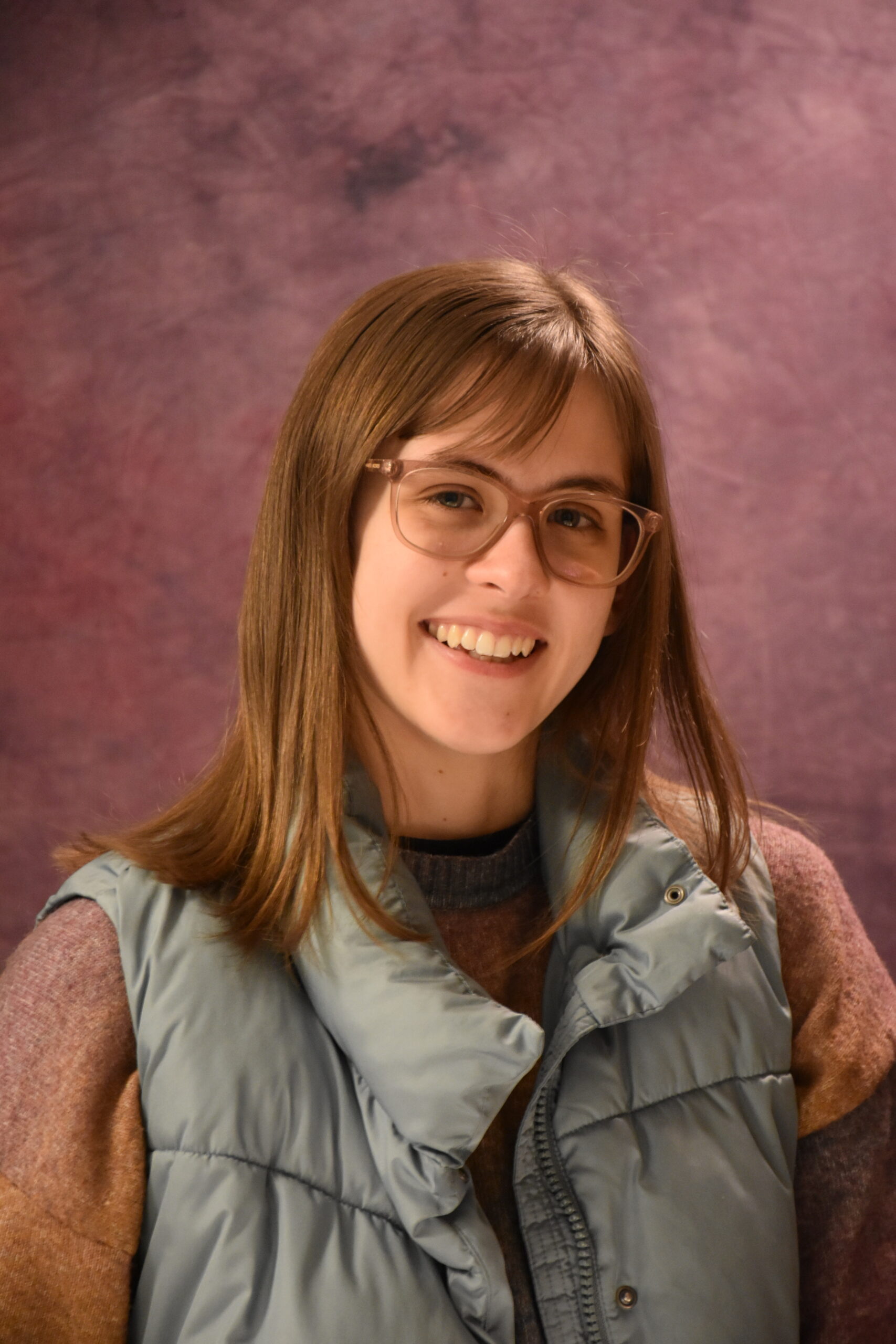
Molly Quade
Masters Student, Hopkins Lab
Molly Quade began working in the bee program at Washington State University as an undergraduate, where she assisted on a collaborative project with Paul Stamets investigating the role of Ganoderma resinaceum (Reishi mushroom) extract in enhancing honey bee immune systems. This experience sparked her interest in insect-fungi relationships, and since then, she has contributed to a variety of projects focused on integrating fungal applications into commercial apiculture.
Now a graduate student at WSU, Molly is researching the use of Metarhizium and other entomopathogenic fungi in Integrated Pest Management, with a focus on developing strains for Varroa mite management. She plans to continue her research in fungal strain selection, with the long-term goal of advancing the application of fungi in commercial beekeeping and sustainable agriculture.
(she/her/hers)
Now a graduate student at WSU, Molly is researching the use of Metarhizium and other entomopathogenic fungi in Integrated Pest Management, with a focus on developing strains for Varroa mite management. She plans to continue her research in fungal strain selection, with the long-term goal of advancing the application of fungi in commercial beekeeping and sustainable agriculture.
(she/her/hers)
Joey Rosario
Masters Student, Hopkins Lab
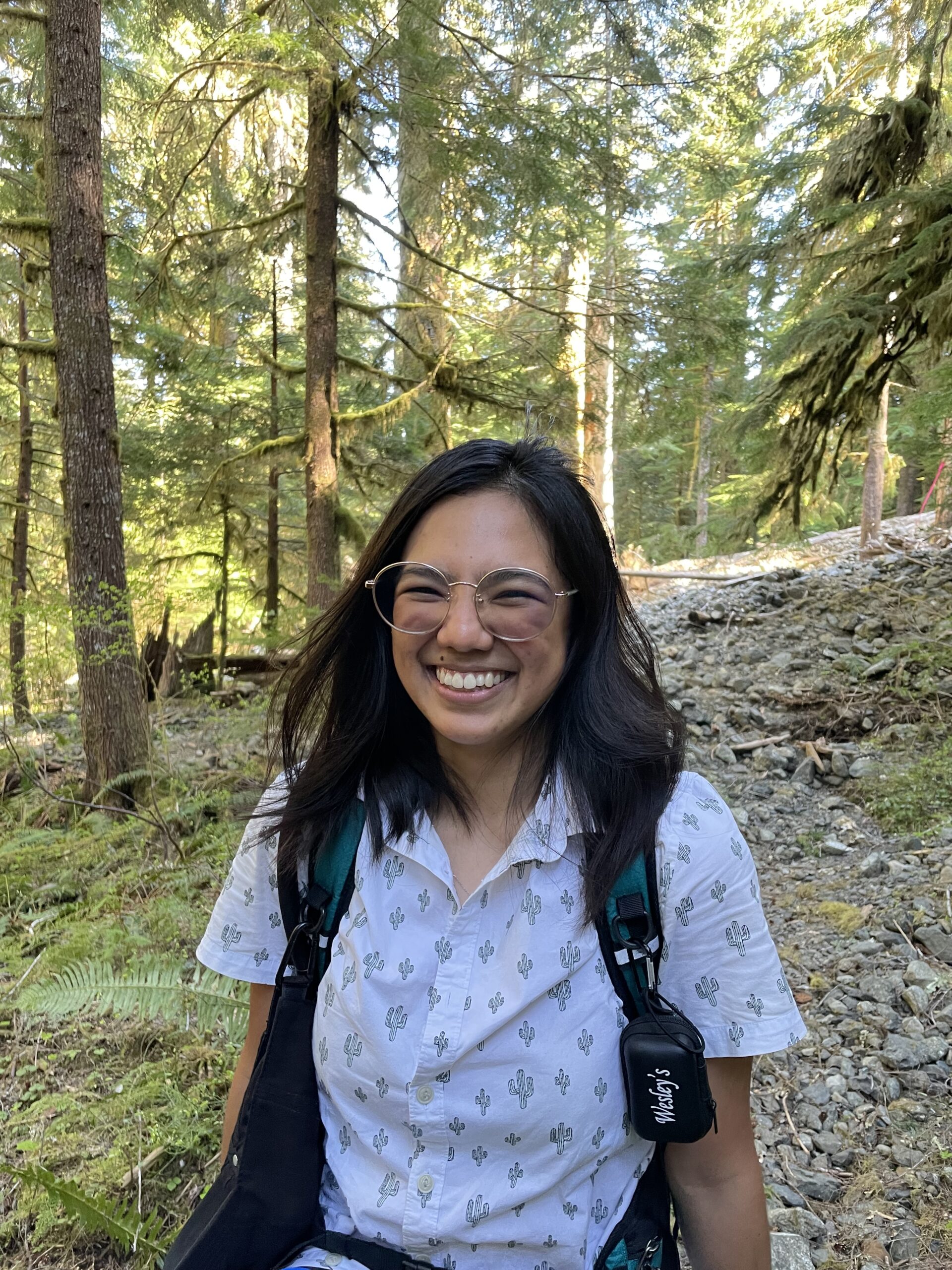
Joey Rosario is majored in Biology and Fine Arts at WSU. She joined the honey bee program to learn more about bees and decided to further her education in entomology! Her research focuses on pest management for hive equipment storage including finding different regimens that are effective and honey bee-safe.
(she/her/hers)
(she/her/hers)
McKaela Hobday
Ph.D. Student, Basu Lab
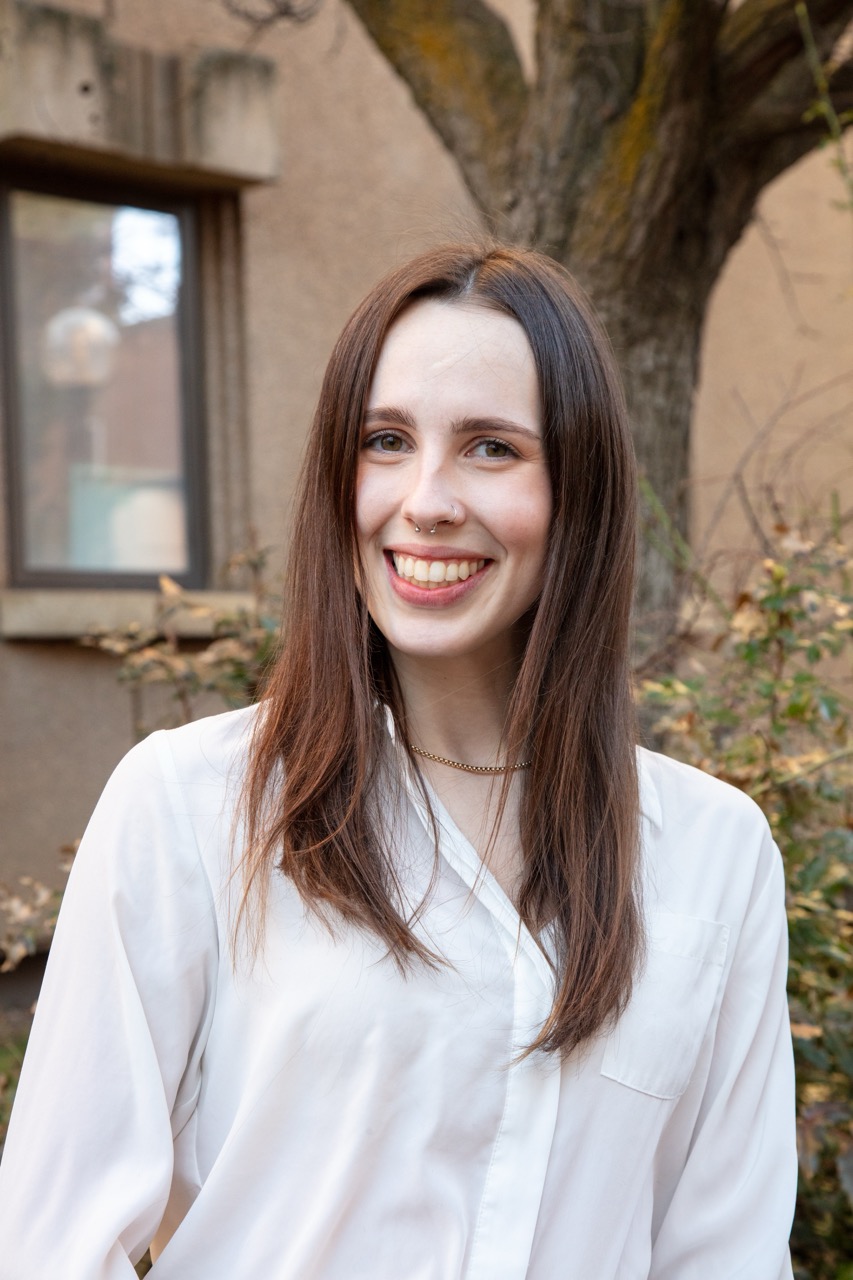
Mckaela’s passion for apiculture began during her undergraduate studies at Texas A&M University, where she worked as a lab technician studying wild honey bee diseases. She then earned her master’s degree at Mississippi State University, where she worked on several projects involving pollinators, but primarily studied European Foulbrood (EFB). Now, at WSU, Mckaela is collaborating with researchers across Mississippi, Washington, Oregon, and California to better understand the prevalence and impact of EFB during blueberry pollination.
(she/her/hers)
(she/her/hers)
Janae Becher
Ph.D. Student, Basu Lab
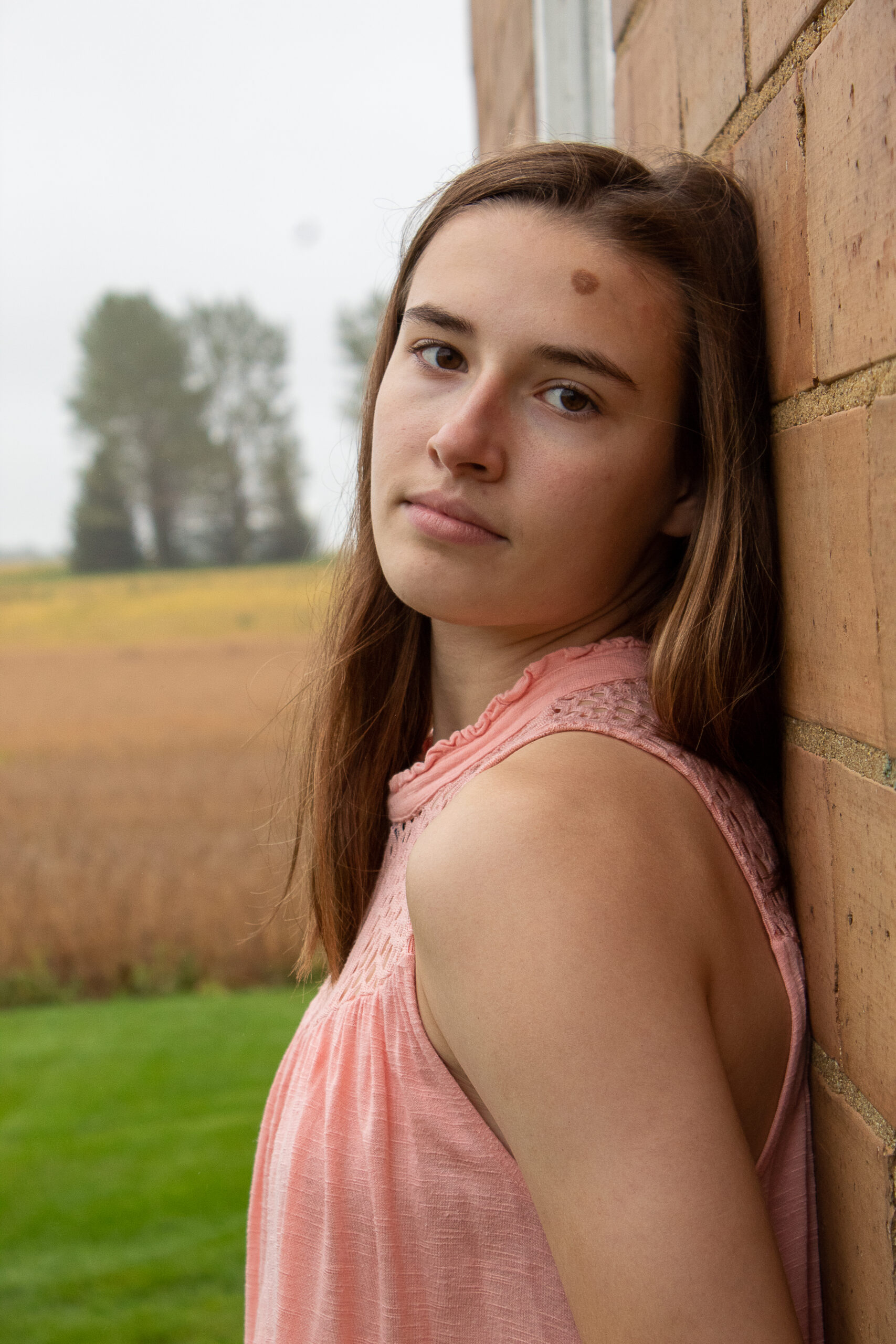
Janae’s research focuses on understanding nutrient conversion from flower to colonies and how gut microbiome can shape the overall nutritional health. She is investigating products bees consume and manipulate, both compositionally and microbially. Janae graduated in 2024 with a B.A. triple major in Biochemistry, Environmental Studies, and German from Augustana University, SD. At Augie, Janae facilitated the start of the bee program and continues to be an advisor and mentor for the undergraduate student-led program. Along with her research at WSU, she participates in the music department, playing her French horn in different ensembles throughout the year. When Janae is home, she enjoys drinking tea with her roommate, reading, and playing with her 2-year-old golden doodle, Kyra.
(she/her/hers)
(she/her/hers)
Undergraduate Students

Lydia Sawyer

Aidan Donavan

Ashton Darmon

Jyotika Pathath

Suji Bay
Madison Woodard
Anufat Terlaje-Pangelinan