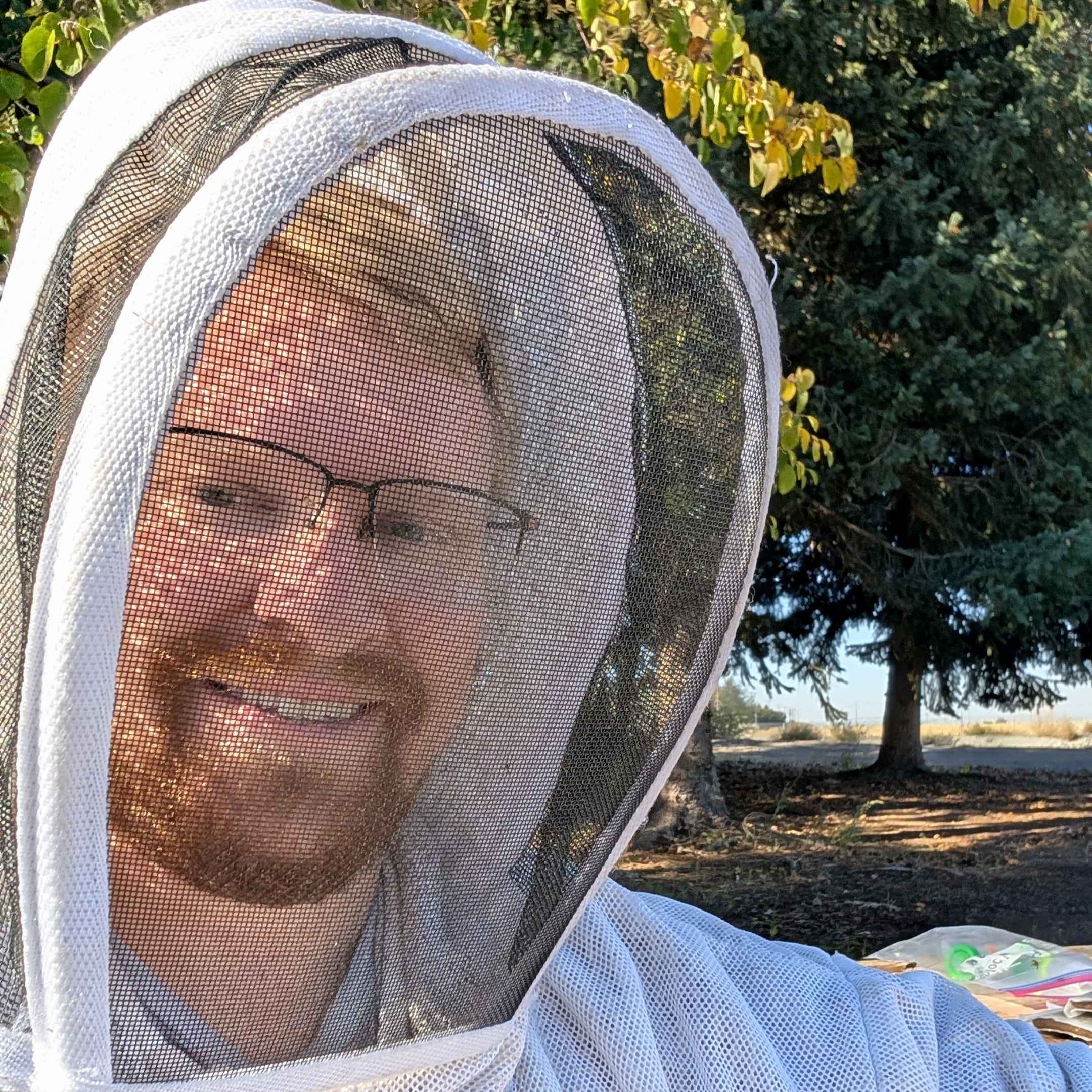
Dr. Ryan Kuesel, Postdoctoral Researcher
Ryan is originally from Holland, Michigan, and he completed his PhD at the University of Kentucky in the Gonthier lab studying spotted-wing drosophila in blueberry, raspberry, and blackberry crops. His work also made him an excellent small fruit grower and a novice organic vegetable grower. He has a passion for landscape ecology and multivariate statistics and his work at WSU applies both to commercial scale operations and individual honey bee colony health. In his free time, Ryan hikes in pursuit of plant, insect, and landscape photos and plays video games.
(he/him/his)
Instagram: @couskues
(he/him/his)
Instagram: @couskues
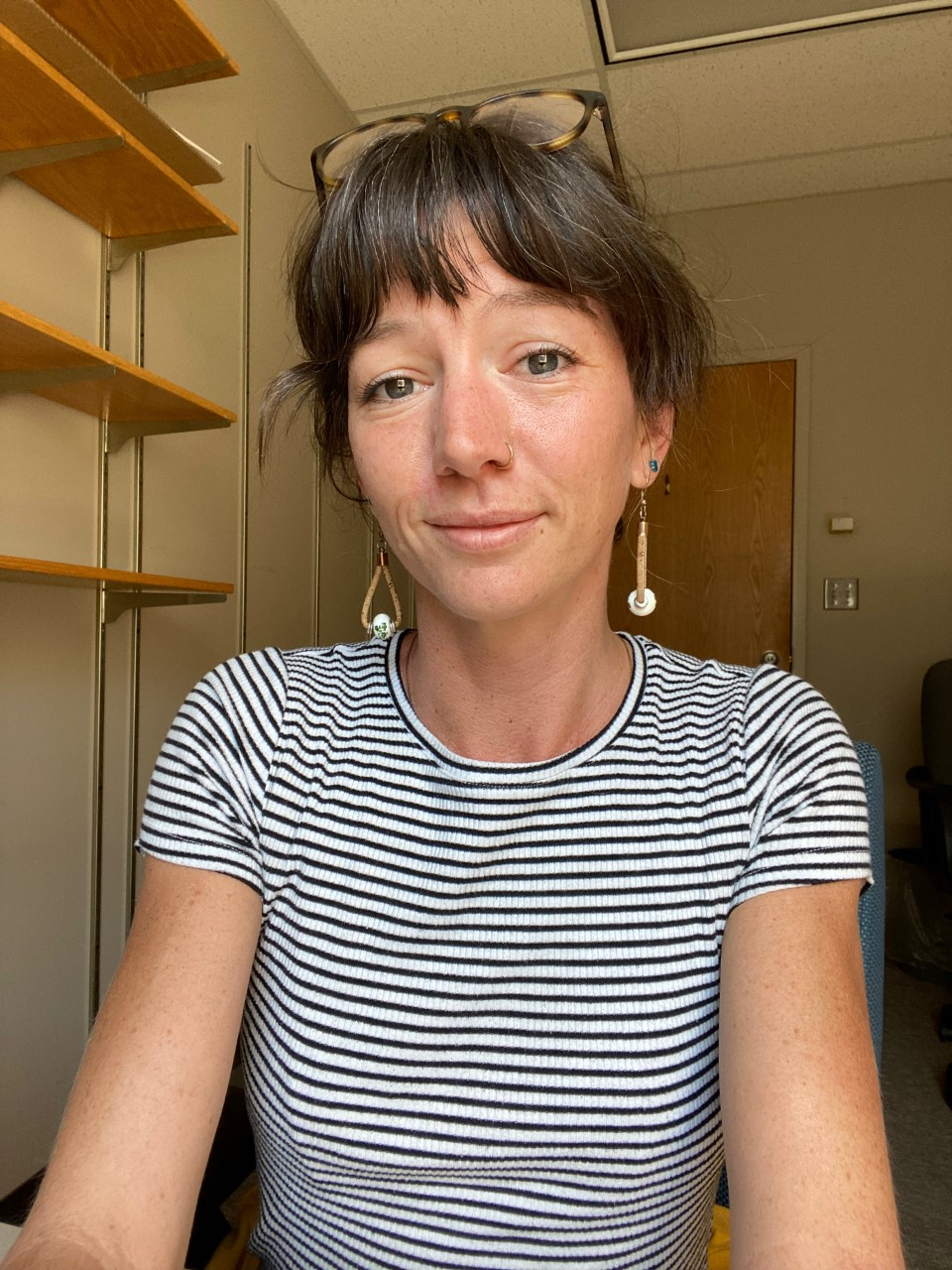
Dr. Tracey Lee Peters, Postdoctoral Researcher
Dr. Tracey Lee Peters is a Delaware native who earned her doctorate in Food Science Microbiology from the University of Tennessee Knoxville where she studied bacteriophages and their food safety applications against foodborne pathogens.
While at the WSU Bee Program, her research focused on honey bee toxicology, specifically investigating the effects of pesticides on adult honeybees and honeybee brood (larvae), and developing enzymatic approaches for pesticide degradation and detoxification in bees.
(she/her/hers)
While at the WSU Bee Program, her research focused on honey bee toxicology, specifically investigating the effects of pesticides on adult honeybees and honeybee brood (larvae), and developing enzymatic approaches for pesticide degradation and detoxification in bees.
(she/her/hers)
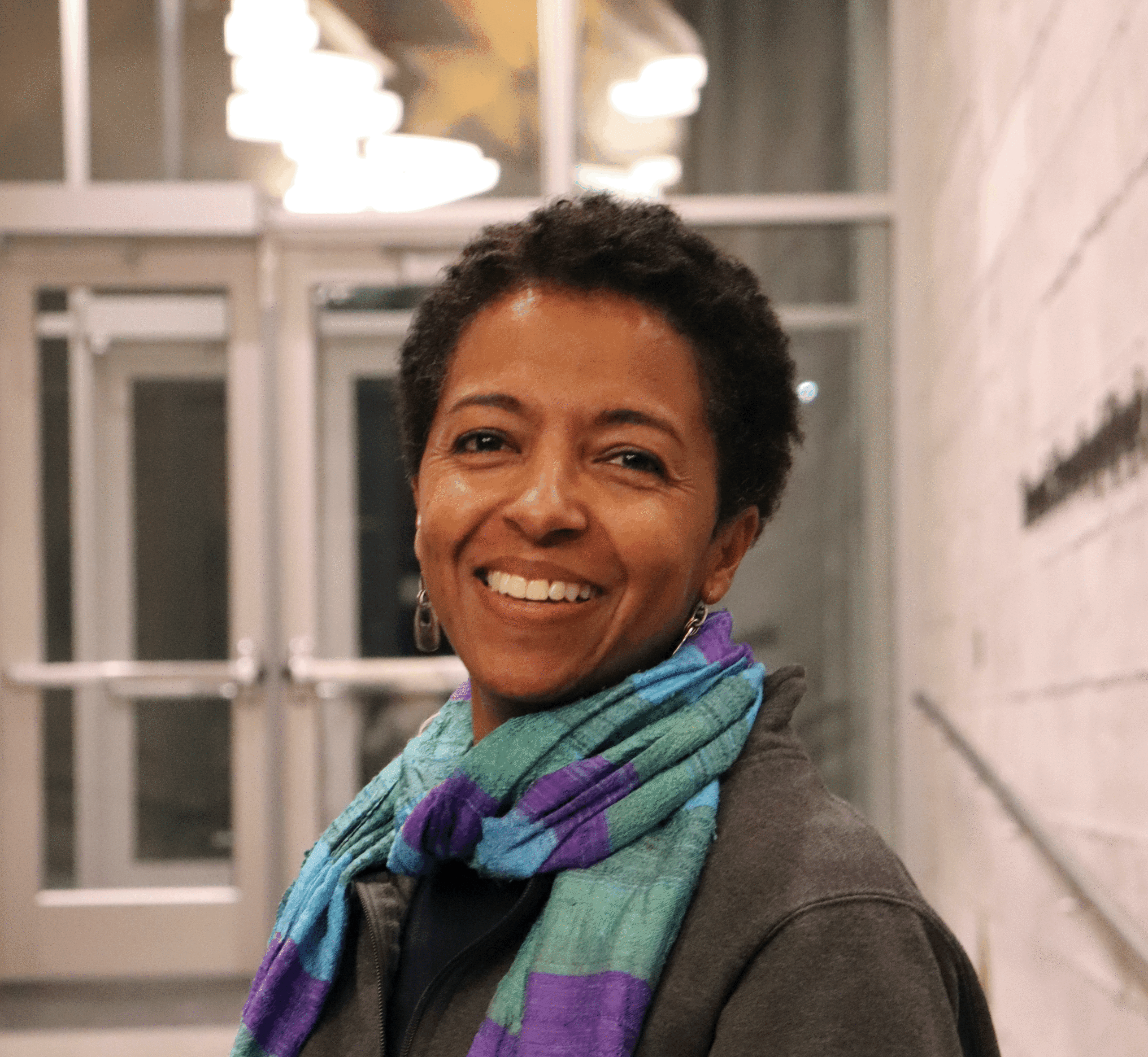
Sandra Mina-Herrera
Graduate Assistant
Sandra was a PhD candidate in WSU from the College of Education and has a master’s degree in Foreign Languages and Cultures from WSU. She has many years of experience as a Spanish and English teacher, as well as working as a freelance translator. Sandra was responsible for Spanish language support for our bee program. She translated our publications and assists in developing new educational materials in both English and Spanish. She is enthusiastic about reaching a diverse community of beekeepers in the region.
(she/her/hers)
(she/her/hers)
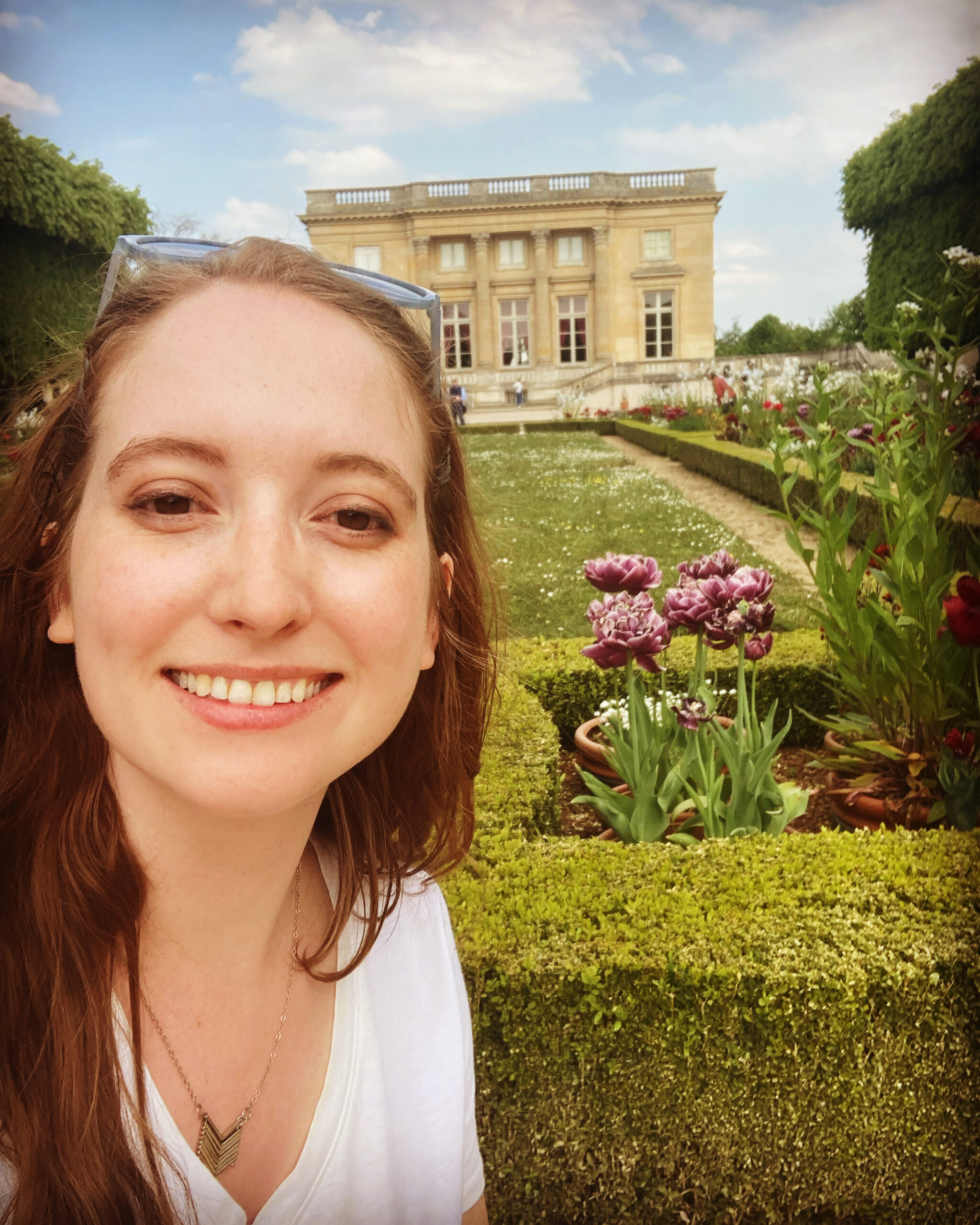
Dr. Taylor Reams
Scientific Laboratory Manager
Taylor is 4th generation beekeeper and has worked with honey bees for over 10 years. She is the laboratory manager in the Bee Program. Her expertise is in behavioral ecology and genetics of Varroa destructor, and impacts of different supplemental diets on honey bee health within stationary and migratory colonies. In her free time Taylor creates social media content about all things women’s history.
(she/her/hers)
(she/her/hers)

Liam Dubar, Lab Technician
Liam graduated from WSU with a Bachelor’s of Science degree. He has a background as a technical assistant for the WSU Department of Horticulture and for WADDL in the Department of Serology. In his free time, Liam enjoys working out, going on hikes, and spending time with friends.
(he/him/his)
(he/him/his)
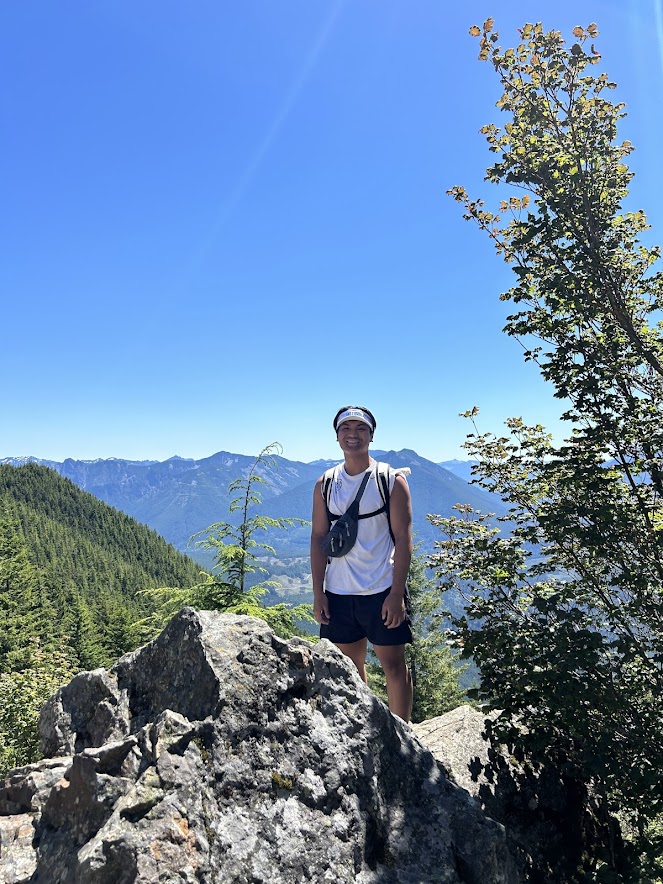
Gian Roque
Gian is an undergraduate in Mechanical Engineering at Washington State University. Originally from Seattle, Gian came to WSU for a new and different environment while also staying close to home. At WSU, Gian enjoys spending his time playing volleyball as part of the WSU Club Volleyball team, and broadening his academic lens by being part of the Honey Bee Lab as a lab technician.
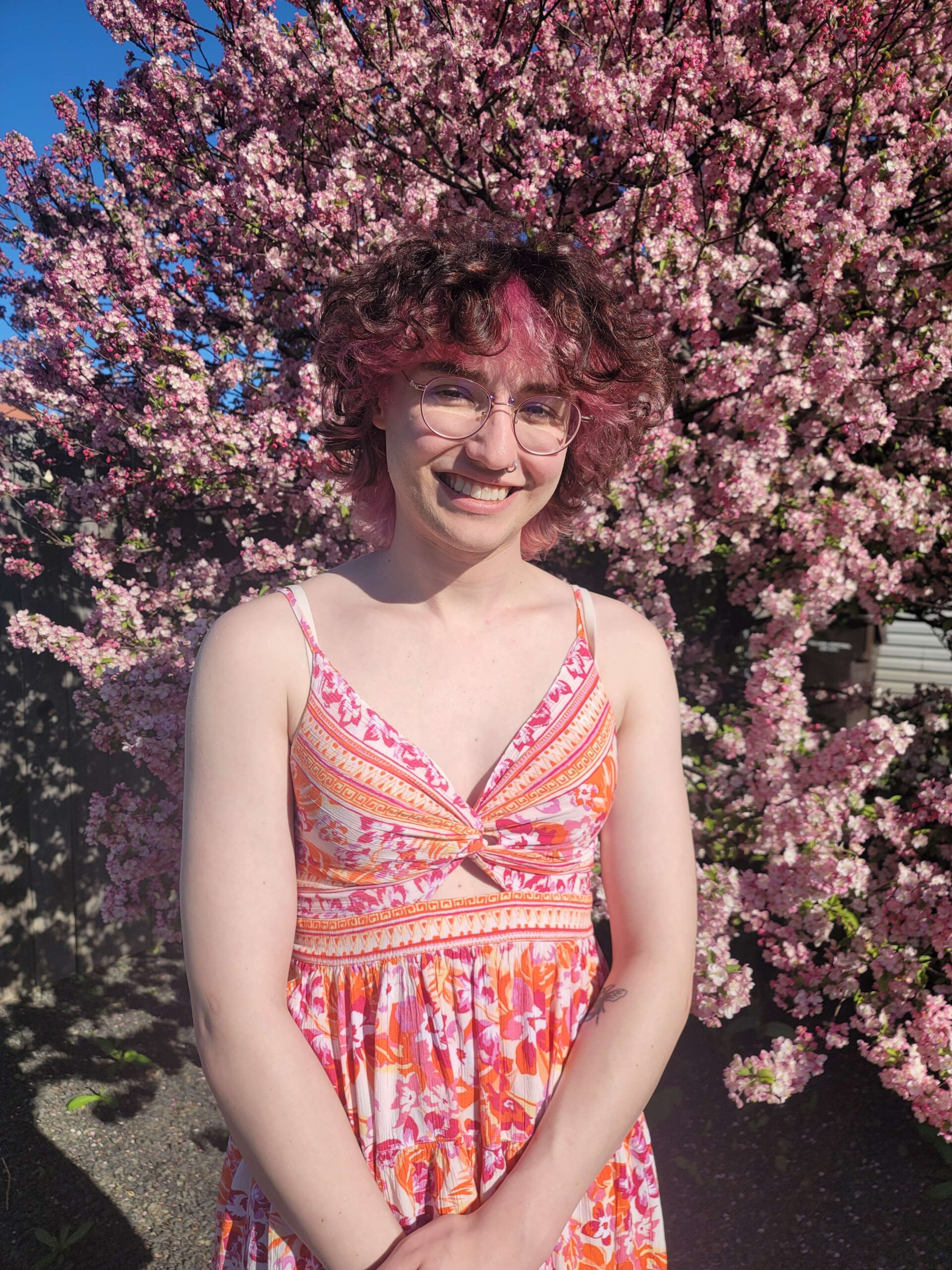
DiDi Lubash
Undergraduate
DiDi Lubash is a queer undergraduate student pursuing a dual degree in Women, Gender and Sexuality Studies as well as Digital Technology and Culture. Raised in the Seattle area of the Pacific Northwest, DiDi now calls the beautiful Palouse region home. After working in the Hopkins Honey Bee lab, DiDi realized they could bridge their interests in nature and human rights, advocating for both simultaneously.
(they/them, she/her)
DiDi Lubash is a queer undergraduate student pursuing a dual degree in Women, Gender and Sexuality Studies as well as Digital Technology and Culture. Raised in the Seattle area of the Pacific Northwest, DiDi now calls the beautiful Palouse region home. After working in the Hopkins Honey Bee lab, DiDi realized they could bridge their interests in nature and human rights, advocating for both simultaneously.
(they/them, she/her)
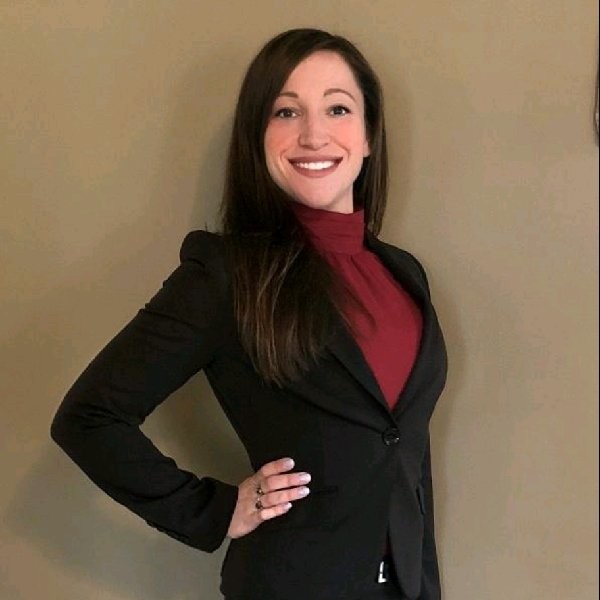
Dr. Chelsea Abegg
Chelsea did her Ph.D. in Entomology at Rutgers University, New Jersey. Her research focused on honey bee toxicity via pesticides and has a passion to find better solutions for pest management that will compliment honey bee, environmental, & human health. While working in the WSU Honey bee Lab, she primarily worked with the Metarhizium Lab and focused on Metarhizium as a biopesticide option or Varroa management.
(she/her/hers)
(she/her/hers)
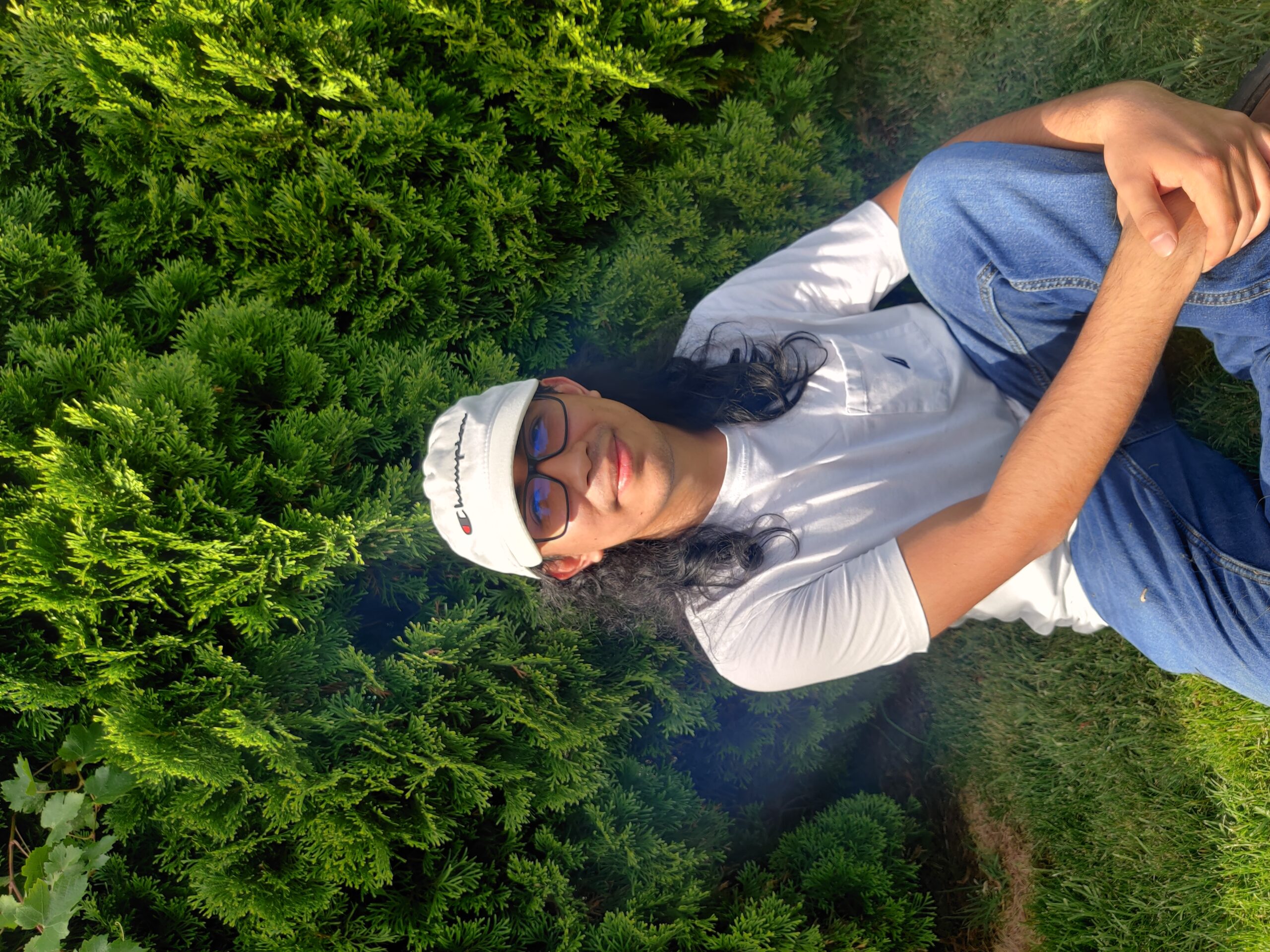
Cristian De Paz,
Agricultural Technologist
Cristian majored in Environmental Science. He joined the bee program because he was curious to know more about bee research. He hopes to get his Master’s in Environmental Science and conduct research relating to ecology or wildlife conservation! In Cristian’s free time, he enjoys both indoor and outdoor activities such as hiking, playing guitar, and reading.
(he/him/his)
(he/him/his)

Zhe Yu Lim,
Agricultural Aide
(he/him/his)

Ben Moline,
Othello Apiary Manager
Ben found his passion for honey bee hive health after dabbling in beekeeping as a hobby 10 years ago. Since then, Ben has expanded his knowledge and skills by capturing feral swarms for research in the remote canyons of southern Utah. He has also worked as a field trial monitor assisting the development of an RNAi miticide for varroa control, and most recently, he worked on a project to develop in-hive technology that monitors the conditions within a bee colony.
(he/him/his)
(he/him/his)
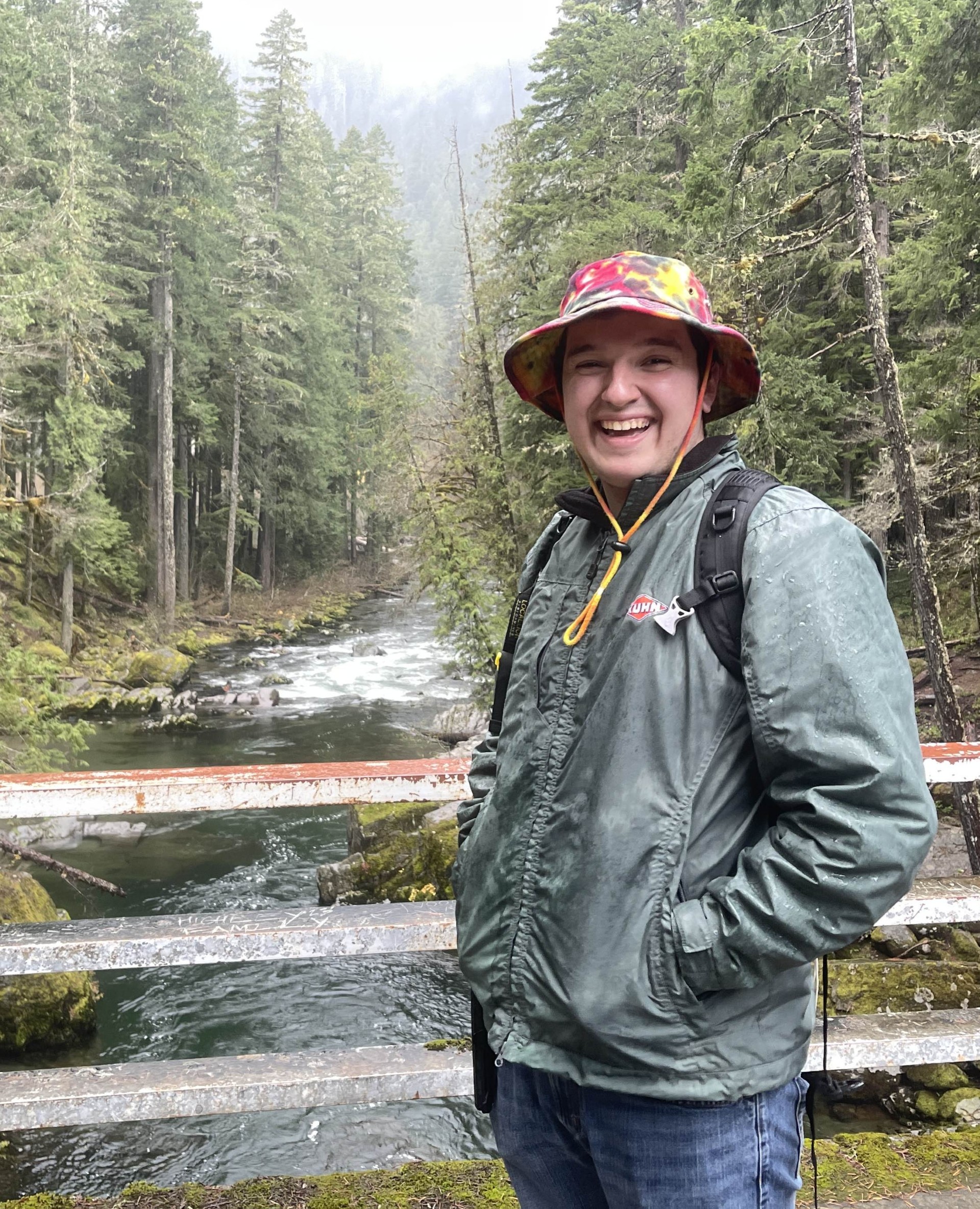
Jack Hollister, Agricultural Technologist
Jack previously worked as an Apiary Inspector for the Illinois Department of Agriculture and has been beekeeping on and off since he was 12. He got his Associates in Applied Science at Black Hawk Community College. In his free time, he researches various mushrooms, hunts for morels, plays video games, hikes in the wilderness, and obsess over stingless honey bees.
(he/him/his)
(he/him/his)
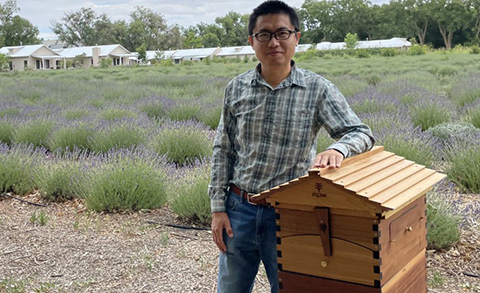
Dr. Ge Zhang
Assistant Research Professor
Dr. Zhang was a post-doctoral researcher with the WSU Bee Program for a couple years working on how pesticides impact migratory honey bee colonies’ health, then became an Assistant Research Professor. His research focused on the potential for using enzymes to neutralize pesticide toxicity to honey bees.
(he/him/his)
Dr. Zhang was a post-doctoral researcher with the WSU Bee Program for a couple years working on how pesticides impact migratory honey bee colonies’ health, then became an Assistant Research Professor. His research focused on the potential for using enzymes to neutralize pesticide toxicity to honey bees.
(he/him/his)

Jenny Eason
Pullman Apiary Manager
Jen managed various research projects both in the field and labs. She has a strong background in Wildlife Ecology & Conservation Sciences. When not working with bees, you will more than likely find her with her pup, hiking mountains, or working with volunteer groups on wildlife studies.
(she/her/hers)
Jen managed various research projects both in the field and labs. She has a strong background in Wildlife Ecology & Conservation Sciences. When not working with bees, you will more than likely find her with her pup, hiking mountains, or working with volunteer groups on wildlife studies.
(she/her/hers)
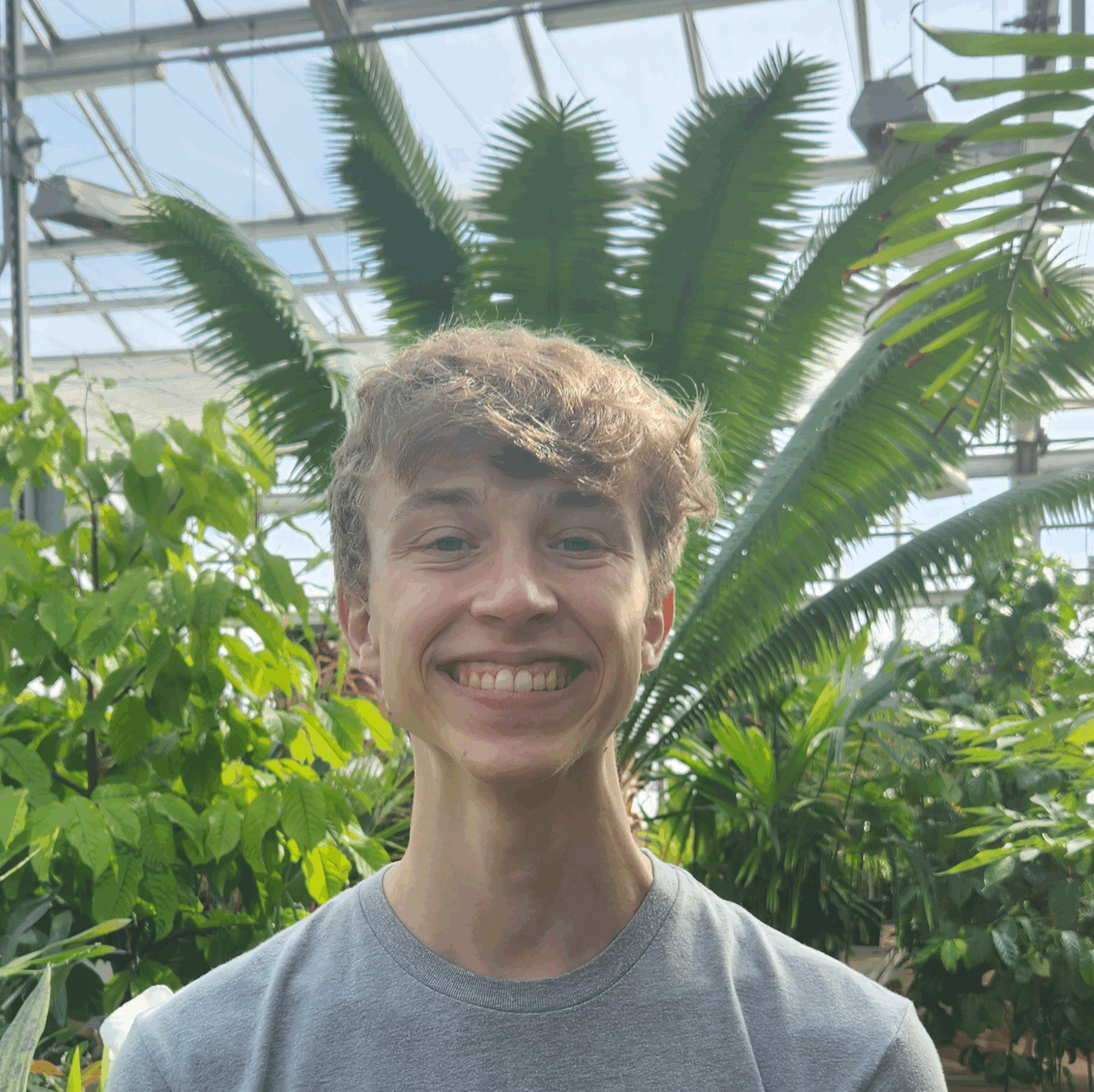
Jaden Rossmeisl
Undergraduate
Jaden is an undergraduate studying Fruit and Vegetable Management, and loves honey bees!
(he/him/his)
Jaden is an undergraduate studying Fruit and Vegetable Management, and loves honey bees!
(he/him/his)
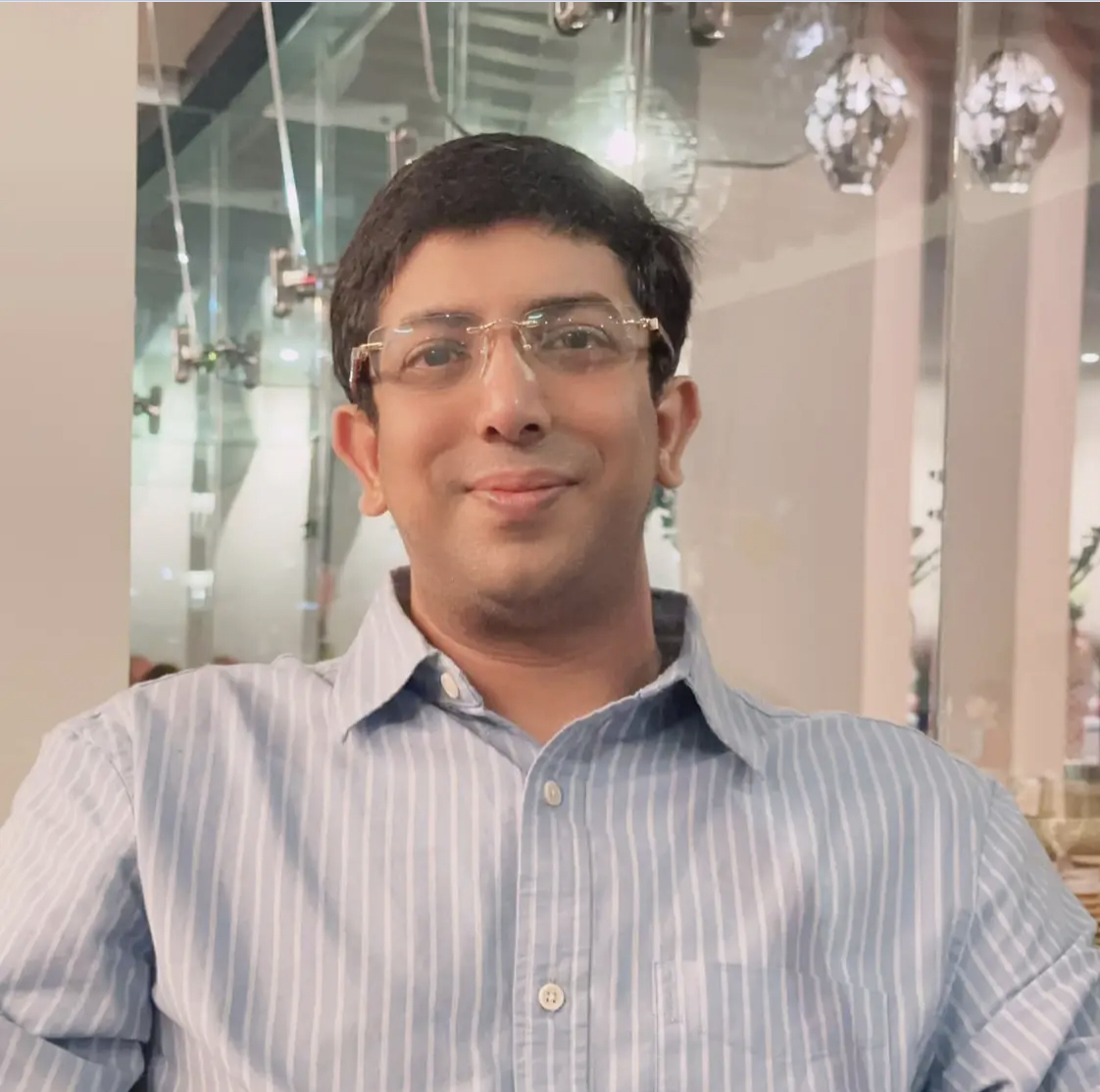
Dr. Saumik Basu
Assistant Research Professor
Dr. Basu focused on microbial biopesticides for varroa mite control and molecular aspects of honeybee-mite-fungus interactions to improve honey bee colony health.
(he/him/his)
Dr. Basu focused on microbial biopesticides for varroa mite control and molecular aspects of honeybee-mite-fungus interactions to improve honey bee colony health.
(he/him/his)

Pooja Malhotra, M.Sc.
Program Lab Manager
Pooja did her Bachelor’s of Science in Biotechnology from West Bengal University and Master’s of Science in Biotechnology from Presidency University (India, Kolkata). After coming in USA, her passion for insects encouraged her to get another Master’s degree from the Dept. of Entomology (WSU, Pullman). She was an instructor after graduation, then became an office manager in Carson College of Business (WSU). Her passion for science and management motivated her to be the lab manager for the WSU Bee Program.
(she/her/hers)
Pooja did her Bachelor’s of Science in Biotechnology from West Bengal University and Master’s of Science in Biotechnology from Presidency University (India, Kolkata). After coming in USA, her passion for insects encouraged her to get another Master’s degree from the Dept. of Entomology (WSU, Pullman). She was an instructor after graduation, then became an office manager in Carson College of Business (WSU). Her passion for science and management motivated her to be the lab manager for the WSU Bee Program.
(she/her/hers)
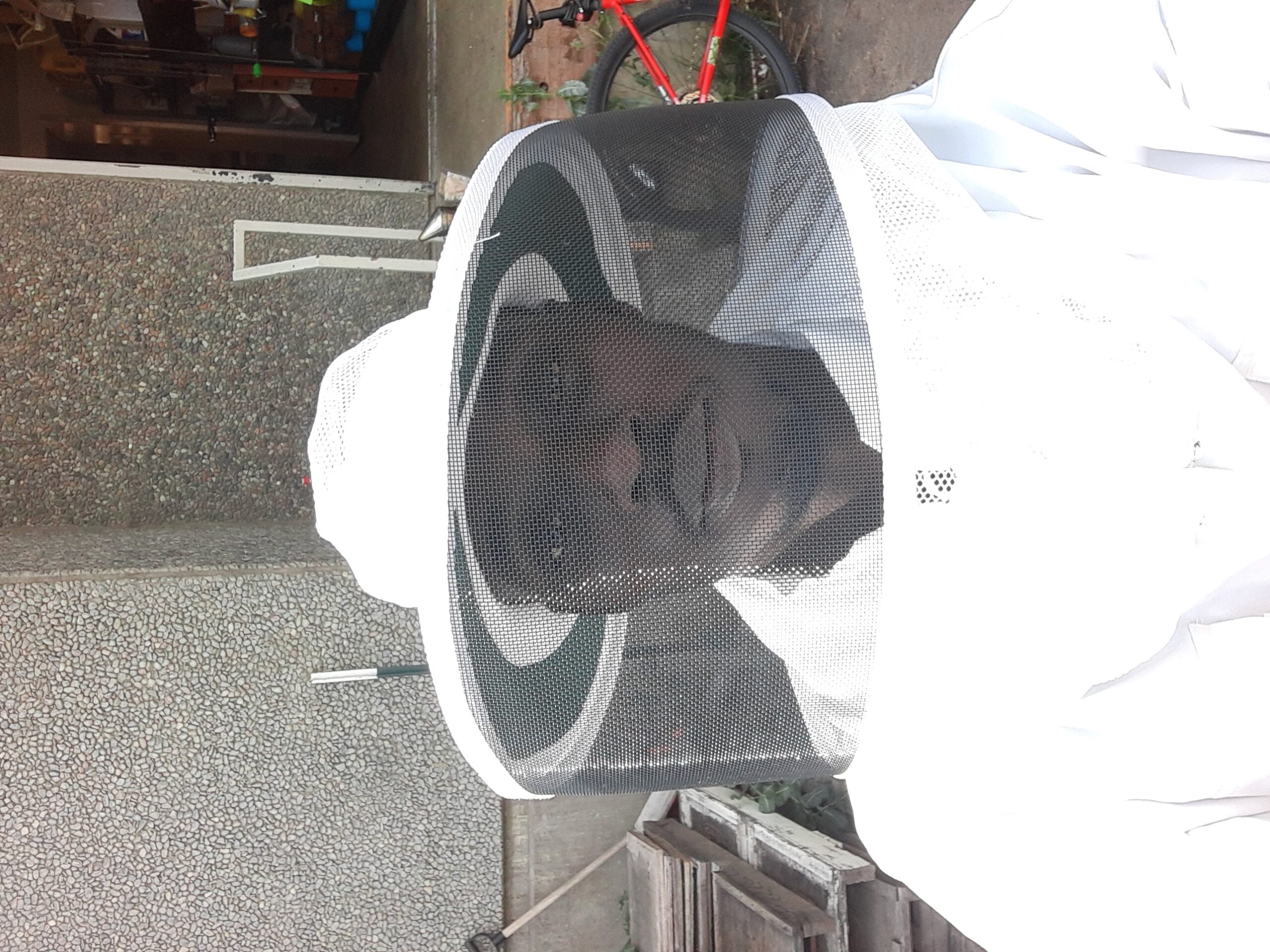
Igbagbolere Adeoluwa David
Masters, 2024
“You cannot work for food when there is no food for work” and “You cannot tell a hungry child you gave him/her food yesterday” (An African Proverb). Igbagbolere believes the pollination service offered by honey bees is a vital tool in contributing to food sustainability. He received his bachelor’s degree in Crop Production and Protection at the Obafemi Awolowo University, Nigeria, and he researched a new varroa mite control option, VarroxSan, for his Master of Science.
(he/him/his)
“You cannot work for food when there is no food for work” and “You cannot tell a hungry child you gave him/her food yesterday” (An African Proverb). Igbagbolere believes the pollination service offered by honey bees is a vital tool in contributing to food sustainability. He received his bachelor’s degree in Crop Production and Protection at the Obafemi Awolowo University, Nigeria, and he researched a new varroa mite control option, VarroxSan, for his Master of Science.
(he/him/his)
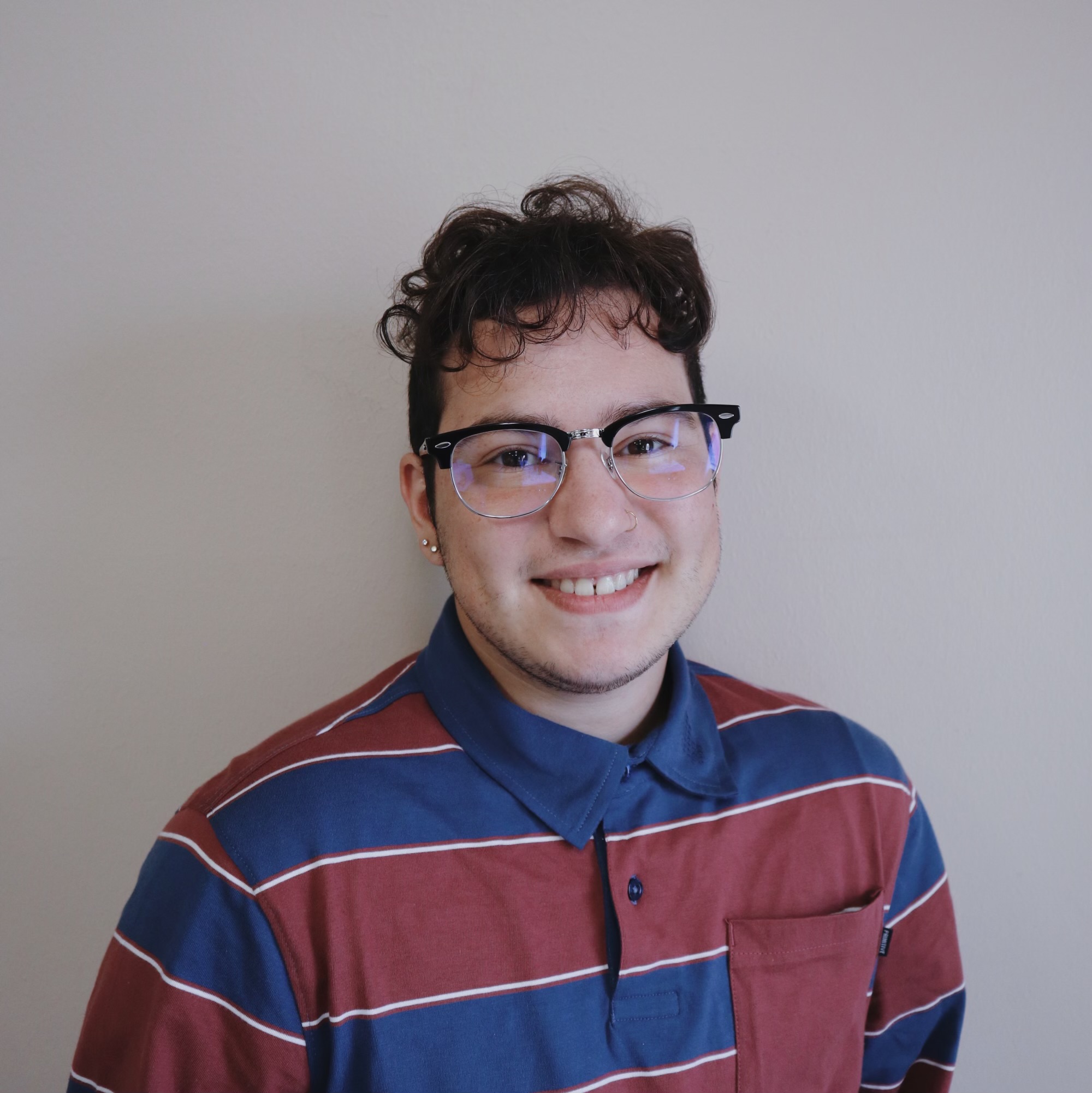
Chris Waylett
Undergraduate, 2024
Chris is from Shelton, Washington and majored in Biology with a focus in Entomology. His largest area of interest is forensic entomology, with animal sentience a close second. Their passion for entomology can be traced back to their childhood, imagining that Grandma Rita’s garden stones were trapdoor spiders and a beloved, gifted encyclopedia with a dichotomous key.
(he/they)
Chris is from Shelton, Washington and majored in Biology with a focus in Entomology. His largest area of interest is forensic entomology, with animal sentience a close second. Their passion for entomology can be traced back to their childhood, imagining that Grandma Rita’s garden stones were trapdoor spiders and a beloved, gifted encyclopedia with a dichotomous key.
(he/they)
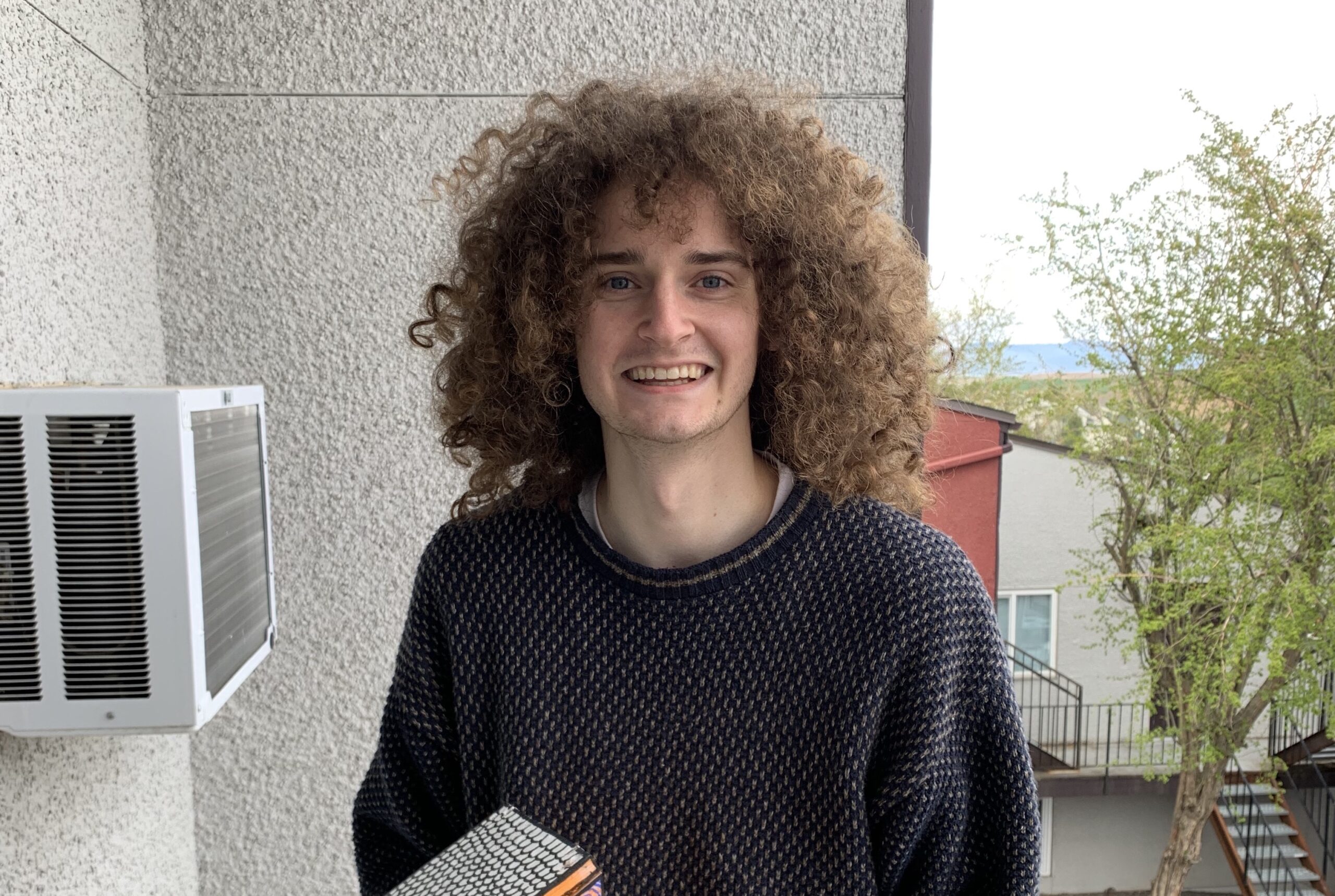
Sam Weiland
Undergraduate, 2024
Sam Weiland studied Plant Biology at WSU and wishes to pursue a career in mycology. He was involved in research about honey bee interactions with specialized crops and loves working hands-on with the bees
(he/him/his)
Sam Weiland studied Plant Biology at WSU and wishes to pursue a career in mycology. He was involved in research about honey bee interactions with specialized crops and loves working hands-on with the bees
(he/him/his)
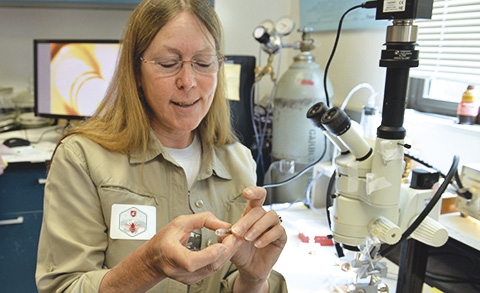
Susan Cobey
Research Associate
Sue is world renowned for her expertise on honey bee reproductive biology and instrumental insemination. She has trained honey bee researchers and queen breeders from all over the world in cutting edge reproductive techniques. She was an integral part of the WSU germplasm collection and honey bee breeding efforts in our program.
(she/her/hers)
Sue is world renowned for her expertise on honey bee reproductive biology and instrumental insemination. She has trained honey bee researchers and queen breeders from all over the world in cutting edge reproductive techniques. She was an integral part of the WSU germplasm collection and honey bee breeding efforts in our program.
(she/her/hers)

Olivia Reed
Undergraduate, 2023
Olivia studied zoology at Washington State University in hopes to pursue a fulfilling career exploring and discovering all nature has to offer. Her interest in biology started at a young age with her passion for marine life and has since expanded to include all aspects of biology. This opportunity also allows her to experience the world of hands-on research, which is something she hopes to continue to pursue. Outside of bee work Olivia also enjoys camping, baking, and working on her jeep.
(she/her/hers)
Olivia studied zoology at Washington State University in hopes to pursue a fulfilling career exploring and discovering all nature has to offer. Her interest in biology started at a young age with her passion for marine life and has since expanded to include all aspects of biology. This opportunity also allows her to experience the world of hands-on research, which is something she hopes to continue to pursue. Outside of bee work Olivia also enjoys camping, baking, and working on her jeep.
(she/her/hers)
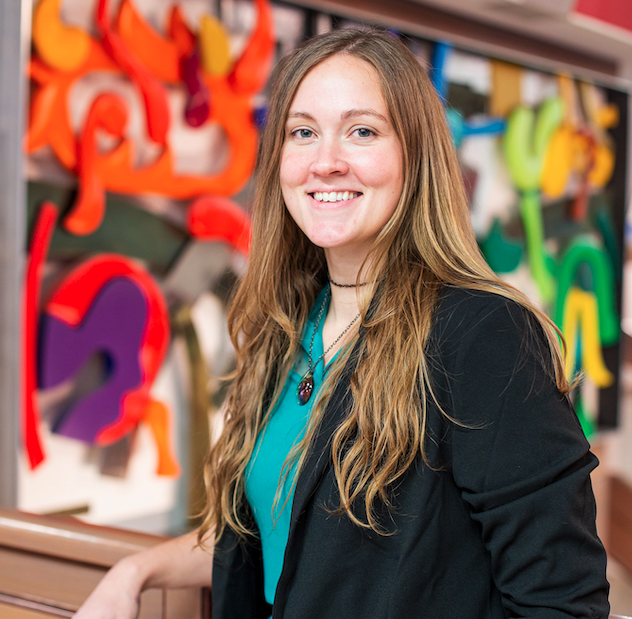
Katy Ayres
Undergraduate, 2023
Katy earned dual degrees in bioengineering and biochemistry at WSU with plans to pursue a Ph.D. in mycology and engineering. Katy was inspired after reading about WSU bee lab research with Ganoderma lucidum and worked to grow nesting habitat using medicinal fungi for cavity-dwelling pollinators.
(she/her/hers)
Katy earned dual degrees in bioengineering and biochemistry at WSU with plans to pursue a Ph.D. in mycology and engineering. Katy was inspired after reading about WSU bee lab research with Ganoderma lucidum and worked to grow nesting habitat using medicinal fungi for cavity-dwelling pollinators.
(she/her/hers)
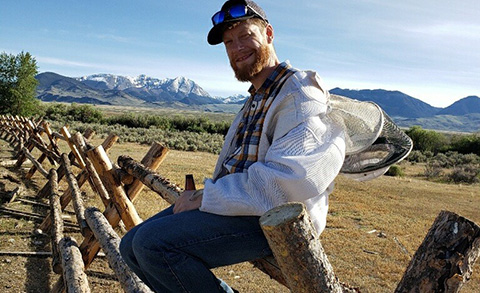
Daniel Reynolds
Masters, 2023
Dan’s interest in honey bees began as a lab and program manager for the Bee Informed Partnership in Maryland. He began his career at WSU as the Pullman bee program manager in 2020. During his masters, he studied the impact of fungal extracts on honey bee health.
(he/him/his)
Dan’s interest in honey bees began as a lab and program manager for the Bee Informed Partnership in Maryland. He began his career at WSU as the Pullman bee program manager in 2020. During his masters, he studied the impact of fungal extracts on honey bee health.
(he/him/his)

Adam Ware
Masters, 2023
Adam spent several years working as a commercial beekeeper before joining the graduate program at WSU. His research interests pertain to sustainable and integrative methods in agricultural management with emphasis in queen breeding and honey bee health.
(he/him/his)
Adam spent several years working as a commercial beekeeper before joining the graduate program at WSU. His research interests pertain to sustainable and integrative methods in agricultural management with emphasis in queen breeding and honey bee health.
(he/him/his)
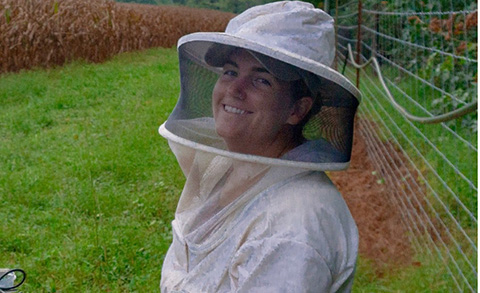
Dr. Kelly Kulhanek
Assistant Research Professor
As an assistant professor of Pollinator Research and Extension, Dr. Kulhanek addressed beekeeper needs such as locally-specific best practices for bee management and crop pollination, and created extension programs that put the latest research into the hands of stakeholders.
(she/her/hers)
As an assistant professor of Pollinator Research and Extension, Dr. Kulhanek addressed beekeeper needs such as locally-specific best practices for bee management and crop pollination, and created extension programs that put the latest research into the hands of stakeholders.
(she/her/hers)
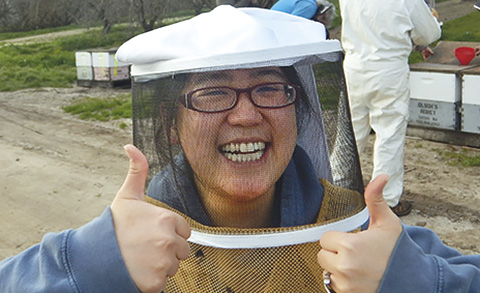
Dr. Jennifer Han
Assistant Research Professor
Dr. Han’s research program was centered on developing fungal based biological control agents for arthropod pests. Specifically, she worked on breeding a fungal biopesticide to control the Varroa mite and exploring fungal and botanical based solutions to honey bee nutrition and overall health.
(she/her/hers)
Dr. Han’s research program was centered on developing fungal based biological control agents for arthropod pests. Specifically, she worked on breeding a fungal biopesticide to control the Varroa mite and exploring fungal and botanical based solutions to honey bee nutrition and overall health.
(she/her/hers)
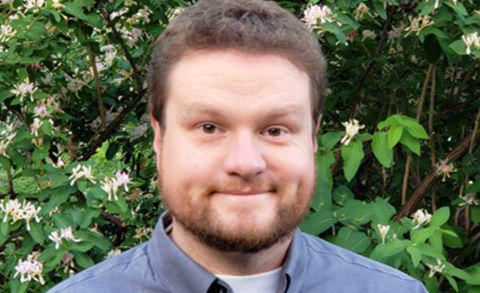
Dr. Nick Naeger
Assistant Professor
Dr. Naeger’s research program focused on understanding the interactions between honey bee nutrition, diseases, and the bee immune system. He identified immune dysfunction from pesticide exposure through pollens, nectars, and other food sources, and explored ways to correct it.
(he/him/his)
Dr. Naeger’s research program focused on understanding the interactions between honey bee nutrition, diseases, and the bee immune system. He identified immune dysfunction from pesticide exposure through pollens, nectars, and other food sources, and explored ways to correct it.
(he/him/his)

Erik Nelson
Undergraduate, 2022
Erik Nelson studied Biology with a pre-medicine track at WSU. He helped with field work, general colony maintenance, and assisting with research projects in the lab. He loves working with the bees and hopes to keep bees in the future!
(he/him/his)
Erik Nelson studied Biology with a pre-medicine track at WSU. He helped with field work, general colony maintenance, and assisting with research projects in the lab. He loves working with the bees and hopes to keep bees in the future!
(he/him/his)
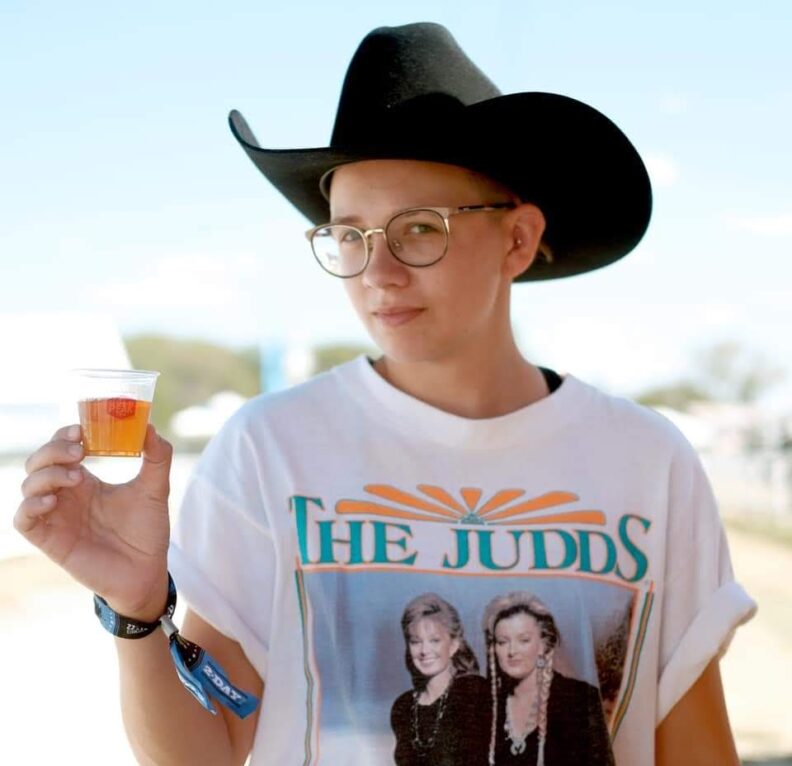
Em Rendelman
Masters, 2022
Em is a fourth-generation beekeeper and has been keeping bees since they were six. They earned a BS in Agriculture from Austin Peay State University and their Masters degree from the WSU Entomology program in 2022 working in Dr. Brandon Hopkins lab. They studied the efficacy of novel formulations of varroa treatments.
(they/them/theirs)
Em is a fourth-generation beekeeper and has been keeping bees since they were six. They earned a BS in Agriculture from Austin Peay State University and their Masters degree from the WSU Entomology program in 2022 working in Dr. Brandon Hopkins lab. They studied the efficacy of novel formulations of varroa treatments.
(they/them/theirs)
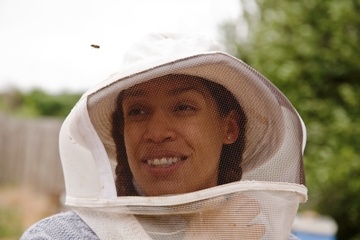
Melanie Kirby
Masters, 2021
Melanie received her Masters degree in 2021 where she used RFID tags to monitor mating flight behavior with implications in bee breeding in the changing climate. She received a Fulbright NatGeo Scholarship for her project titled “Bees and Seeds: how endemic strains of honey bees can support sustainable apiculture”.
(she/her/hers)
Melanie received her Masters degree in 2021 where she used RFID tags to monitor mating flight behavior with implications in bee breeding in the changing climate. She received a Fulbright NatGeo Scholarship for her project titled “Bees and Seeds: how endemic strains of honey bees can support sustainable apiculture”.
(she/her/hers)
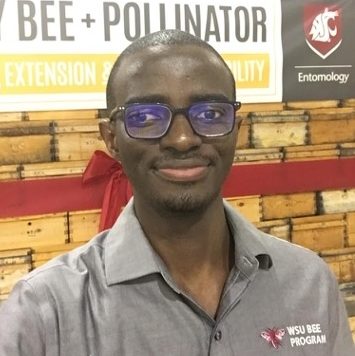
Stephen Onayemi
Masters, 2021
Stephen received his Masters degree in 2021 from the WSU entomology program. He studied the effects of cold storage on honey bee health. After receiving his Masters degree, he has chosen to continue on at WSU to pursue his PhD.
(he/him/his)
Stephen received his Masters degree in 2021 from the WSU entomology program. He studied the effects of cold storage on honey bee health. After receiving his Masters degree, he has chosen to continue on at WSU to pursue his PhD.
(he/him/his)
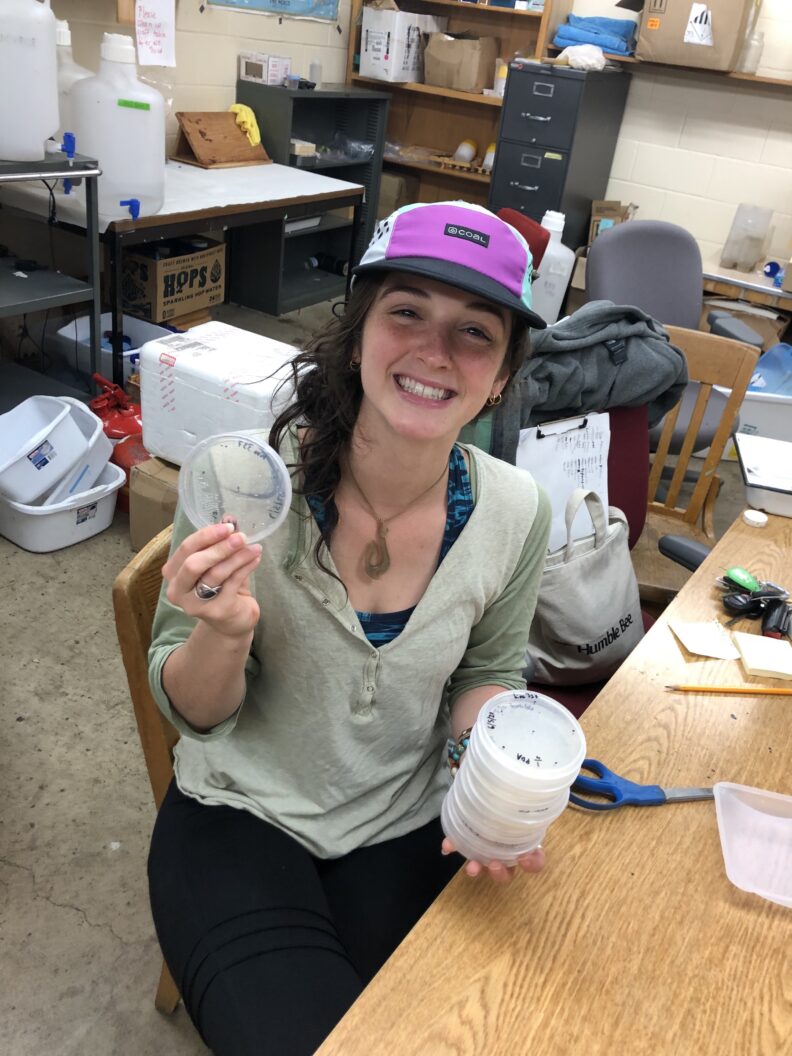
Anna Webb
Masters, 2021
Anna received her Masters degree from WSU in the spring of 2021. Her research focused on finding alternative methods to current pesticide treatments to decrease the amount of chemical input into honey bee colonies. By using an entomopathogenic fungus, her research evaluates differences between chemical treatment standards and biological control agents in colonies.
(she/her/hers)
Anna received her Masters degree from WSU in the spring of 2021. Her research focused on finding alternative methods to current pesticide treatments to decrease the amount of chemical input into honey bee colonies. By using an entomopathogenic fungus, her research evaluates differences between chemical treatment standards and biological control agents in colonies.
(she/her/hers)
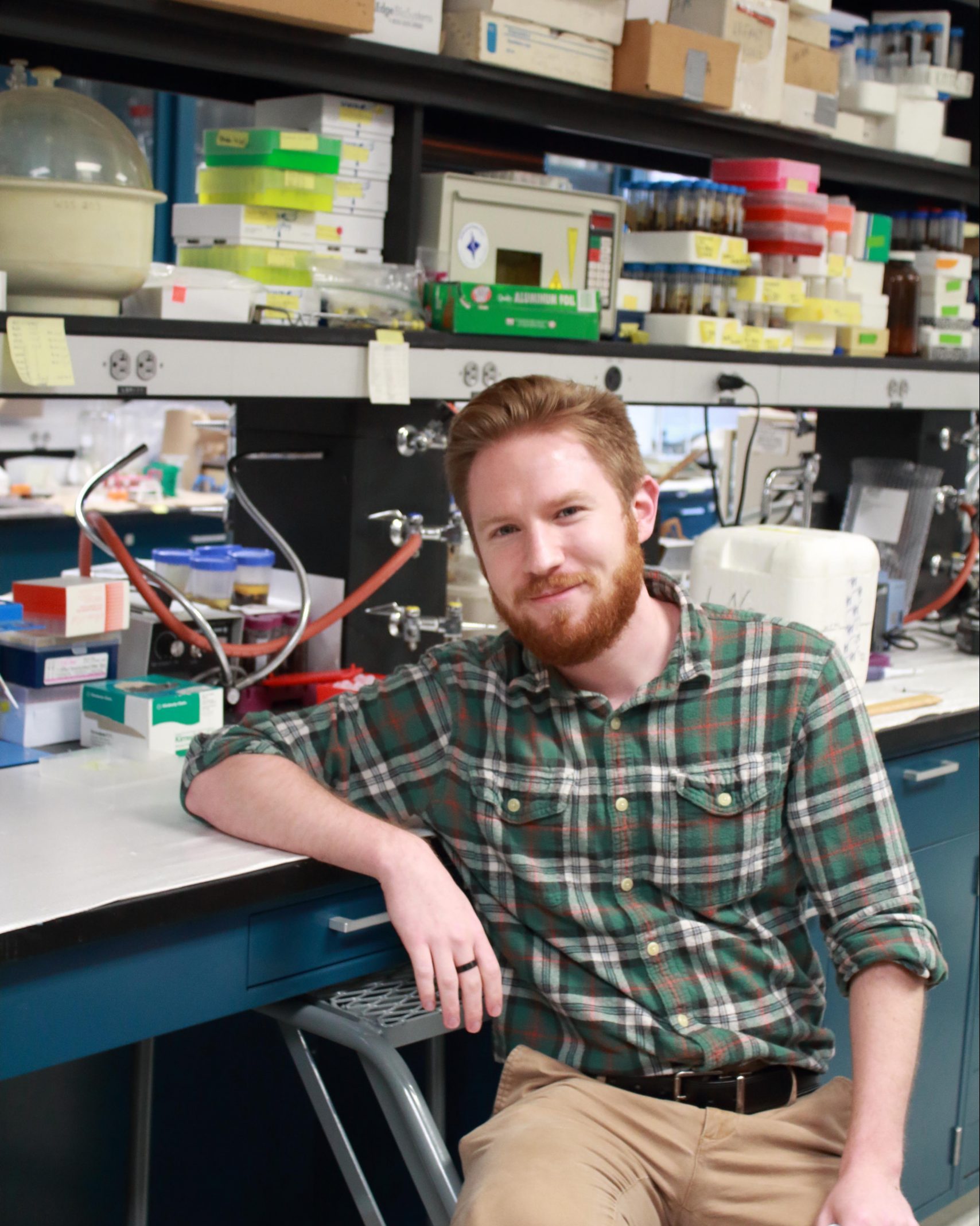
Conner Auth
Masters, 2021
Conner received his Masters degree from WSU in 2021. He developed novel freezing methods for honey bee semen use in cryopreservation. His end goal is to make cryopreservation technology more accessible to animal breeders and conservation biologists.
(he/him/his)
Conner received his Masters degree from WSU in 2021. He developed novel freezing methods for honey bee semen use in cryopreservation. His end goal is to make cryopreservation technology more accessible to animal breeders and conservation biologists.
(he/him/his)
Megan Taylor
Doctor of Philosophy, 2016
Under the advisement of Dr. Sheppard, her research focused on assessing the genetic diversity of Old World honey bee populations as a potential resource for U.S. bee breeding efforts.
(she/her/hers)
Under the advisement of Dr. Sheppard, her research focused on assessing the genetic diversity of Old World honey bee populations as a potential resource for U.S. bee breeding efforts.
(she/her/hers)
Natalie Boyle
Masters, 2012
Natalie Boyle received her Masters Degree from WSU in the spring of 2012. She is going on to complete her PhD here as well. Natalie has been interested in honey bees since grade school, and after receiving her B.S. in Biology at Western Washington University, her graduate research focused on colony-level effects of pesticide residue exposure.
(she/her/hers)
Natalie Boyle received her Masters Degree from WSU in the spring of 2012. She is going on to complete her PhD here as well. Natalie has been interested in honey bees since grade school, and after receiving her B.S. in Biology at Western Washington University, her graduate research focused on colony-level effects of pesticide residue exposure.
(she/her/hers)
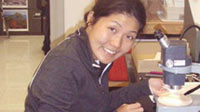
Judy Wu
Masters, 2010
Judy Wu was a masters student who is interested in honey bee colony health and the potential effects of in-hive and environmental chemical residue exposure. Her M.Sc. research included life-table and behavioral studies of bees exposed to sub-lethal pesticide levels. Judy is now an extension & research entomologist at University of Nebraska-Lincoln.
jwu-smart@unl.edu
(she/her/hers)
Judy Wu was a masters student who is interested in honey bee colony health and the potential effects of in-hive and environmental chemical residue exposure. Her M.Sc. research included life-table and behavioral studies of bees exposed to sub-lethal pesticide levels. Judy is now an extension & research entomologist at University of Nebraska-Lincoln.
jwu-smart@unl.edu
(she/her/hers)
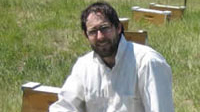
Matthew Smart
Masters, 2010
Matthew’s graduate research focused on examining the distribution of microsporidian parasites in Pacific Northwest honey bees. In addition to conducting extensive fieldwork in WSU’s historical “Feedmill Apiary”, Matthew assisted the WSU diagnostic laboratory with molecular identification of the Nosema species.
(he/him/his)
Matthew’s graduate research focused on examining the distribution of microsporidian parasites in Pacific Northwest honey bees. In addition to conducting extensive fieldwork in WSU’s historical “Feedmill Apiary”, Matthew assisted the WSU diagnostic laboratory with molecular identification of the Nosema species.
(he/him/his)

Debbie Delaney
Doctor of Philosophy, 2008
Debbie left the Oregon coast for opportunities in the loess soil of the Palouse. Deb conducted MSc research at OSU on aspects of sperm production in honey bee drones. She continued work on honey bee reproduction in her PhD research project on genetic differentiation and micro-evolution in honey bees. Dr. Delaney is now a Assistant Professor of Entomology at the University of Delaware. dadelane@udel.edu
(she/her/hers)
Debbie left the Oregon coast for opportunities in the loess soil of the Palouse. Deb conducted MSc research at OSU on aspects of sperm production in honey bee drones. She continued work on honey bee reproduction in her PhD research project on genetic differentiation and micro-evolution in honey bees. Dr. Delaney is now a Assistant Professor of Entomology at the University of Delaware. dadelane@udel.edu
(she/her/hers)
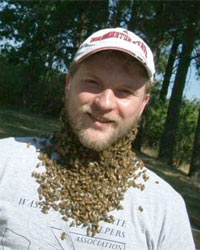
Ben Horwath
Masters, 2007
Ben worked with Dr. Sheppard to compare queens, selected for apiculturally advantageous traits, that would become commercially available to beekeepers with migratory operations in the Pacific Northwest.
Ben worked with Dr. Sheppard to compare queens, selected for apiculturally advantageous traits, that would become commercially available to beekeepers with migratory operations in the Pacific Northwest.
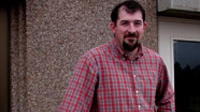
Jamie Strange
Doctor of Philosophy, 2005
Jamie Strange’s Ph.D. research centered on understanding the ecological genetics of an endemic “ecotype” of honey bee in southwestern France, including an investigation of genetic introgression via drone congregation areas. Jamie is now a professor in entomology at Ohio State University.
strange.54@osu.edu
(he/him/his)
Jamie Strange’s Ph.D. research centered on understanding the ecological genetics of an endemic “ecotype” of honey bee in southwestern France, including an investigation of genetic introgression via drone congregation areas. Jamie is now a professor in entomology at Ohio State University.
strange.54@osu.edu
(he/him/his)
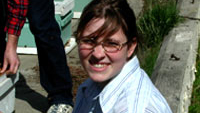
Melissa Gardner
Masters, 2002
Melissa was a masters student who moved to Pullman due, in part, to the offerings of the local opera company. Melissa’s research was on simultaneous selection of multiple traits in honey bees and some of her selected honey bee stocks have been incorporated into the continuing WSU bee breeding program.
(she/her/hers)
Melissa was a masters student who moved to Pullman due, in part, to the offerings of the local opera company. Melissa’s research was on simultaneous selection of multiple traits in honey bees and some of her selected honey bee stocks have been incorporated into the continuing WSU bee breeding program.
(she/her/hers)
Marco Costa
Doctor of Philosophy, 1998
Marco was a Ph.D. student from the Universidade Federal de Sao Carlos, SP Brasil who arrived in Pullman to enjoy the seaside vistas. Marco’s research was primarily directed toward understanding the systematics of the subfamily Meliponinae. Marco returned to Brasil and received his Ph.D. in 1998. Dr. Costa can be reached by email: pkin@iris.ufscar.br
Marco was a Ph.D. student from the Universidade Federal de Sao Carlos, SP Brasil who arrived in Pullman to enjoy the seaside vistas. Marco’s research was primarily directed toward understanding the systematics of the subfamily Meliponinae. Marco returned to Brasil and received his Ph.D. in 1998. Dr. Costa can be reached by email: pkin@iris.ufscar.br
Dr. Lionel Garnery
Dr. Lionel Garnery was a visiting professor from Versailles University and left France for the culinary challenges extant in eastern Washington. Lionel’s research includes the phylogeography of honey bee subspecies, the evolution of the genus Apis and the evolution of mitochondrial DNA within the Apoidea. He has developed some interest in Washington state wines and in winter can be seen on nearby downhill ski slopes demonstrating the French flying stop. Lionel.Garnery@pge.cnrs-gif.fr
Dr. Veronique Garnery
Postdoctoral Researcher
Dr. Veronique Garnery was a postdoctoral researcher who left Paris to enjoy the almost limitless variety of jazz and blues clubs of eastern Washington. Her research interests are in the field of population genetics and her work at WSU involved study of population structure in A. m. lamarckii, the Egyptian honey bee. These bees are maintained in apiaries of 1000 colonies or more in mud tube hives and represent a possible distinct lineage within the species.
Dr. Veronique Garnery was a postdoctoral researcher who left Paris to enjoy the almost limitless variety of jazz and blues clubs of eastern Washington. Her research interests are in the field of population genetics and her work at WSU involved study of population structure in A. m. lamarckii, the Egyptian honey bee. These bees are maintained in apiaries of 1000 colonies or more in mud tube hives and represent a possible distinct lineage within the species.
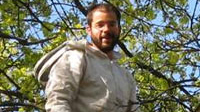
Sam Hapke
Masters
Sam Hapke received his MS degree at WSU and now works with the Sustainability in Prisons Project through Evergreen State College in Olympia, Washington.
Sam Hapke received his MS degree at WSU and now works with the Sustainability in Prisons Project through Evergreen State College in Olympia, Washington.
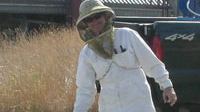
Sally Hasher
Research Technician
Sally Hasher is a research technician who left Lewiston, Idaho to find solitude in the rolling hills surrounding Pullman and to see for herself the special quality of light that bathes the Palouse. In addition to myriad duties pertaining to the totality of the Apiary Program at WSU, Sally finds time for motorcycle riding and ice fishing.
Sally Hasher is a research technician who left Lewiston, Idaho to find solitude in the rolling hills surrounding Pullman and to see for herself the special quality of light that bathes the Palouse. In addition to myriad duties pertaining to the totality of the Apiary Program at WSU, Sally finds time for motorcycle riding and ice fishing.
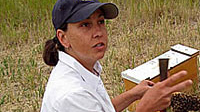
Beth Kahkonen
Apiary and Laboratory Manager
Beth Kahkonen was the Apiary and Laboratory Manager. Beth hails from Pennsylvania and originally joined the Pullman crowd to continue her white-water rafting guide business. Beth received a M.Sc. in Entomology from WSU for research on the use of botanical ils to control parasitic honey bee mites. Prior to her acclaimed return to Pullman in 2008, Beth’s interim journey included positions in apicultural and medical research laboratories. Beth is an active motorcyclist and rock climber in her spare time.
Beth Kahkonen was the Apiary and Laboratory Manager. Beth hails from Pennsylvania and originally joined the Pullman crowd to continue her white-water rafting guide business. Beth received a M.Sc. in Entomology from WSU for research on the use of botanical ils to control parasitic honey bee mites. Prior to her acclaimed return to Pullman in 2008, Beth’s interim journey included positions in apicultural and medical research laboratories. Beth is an active motorcyclist and rock climber in her spare time.
Dr. Irfan Kandemir
Doctor of Philosophy
Irfan has returned to Turkey as an Assistant Professor in the Department of Biology at Zonguldak Karaelmas University. Irfan remains interested in areas of natural introgression between honey bee subspecies and uses both morphological and molecular data to assess the complex interactions among Eastern Mediterranean honey bees. He can be reached by email: irfankandemir@hotmail.com
Irfan has returned to Turkey as an Assistant Professor in the Department of Biology at Zonguldak Karaelmas University. Irfan remains interested in areas of natural introgression between honey bee subspecies and uses both morphological and molecular data to assess the complex interactions among Eastern Mediterranean honey bees. He can be reached by email: irfankandemir@hotmail.com
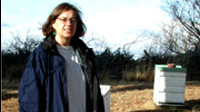
Dr. Marina Meixner
Research Associate
Dr. Marina Meixner conducted her research at the Institut fur Bienenkunde in Oberursel, Germany. Research interests and experience include intraspecific taxonomy of the honey bees, investigation of introgression among endemic subspecies, design and application of computer-assisted morphological analysis and the study of introduced populations of the Mediterranean Fruit Fly. Her current work includes selection and breeding honey bees as part of a IPM program for parasitic mite management.
Dr. Marina Meixner conducted her research at the Institut fur Bienenkunde in Oberursel, Germany. Research interests and experience include intraspecific taxonomy of the honey bees, investigation of introgression among endemic subspecies, design and application of computer-assisted morphological analysis and the study of introduced populations of the Mediterranean Fruit Fly. Her current work includes selection and breeding honey bees as part of a IPM program for parasitic mite management.
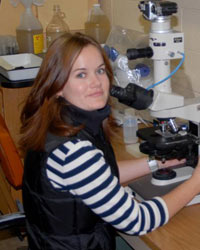
Kristen Northfield
Diagnostic Laboratory Manager
Kristen Northfield managed the WSU Honey Bee Diagnostic Laboratory while here in Pullman. She received and processed samples from beekeepers, WSU research apiaries, and collaborating apicultural researchers.
Kristen Northfield managed the WSU Honey Bee Diagnostic Laboratory while here in Pullman. She received and processed samples from beekeepers, WSU research apiaries, and collaborating apicultural researchers.
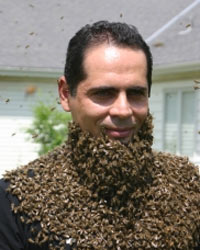
Dr. Devrim Oskay
Research Associate
Dr. Devrim Oskay was a Research Associate at WSU for nearly two years. Devrim worked on a USDA-SARE funded program to propagate, test, and distribute selected honey bee germplasm to beekeepers in the PNW. He was also involved in a coordinated program between WSU and UC-Davis to enhance US honey bee diversity. Devrim received his PhD from the University of Puerto Rico for his work on honey bee behavior and genetics. He has recently accepted a position back in his home country of Turkey.
Dr. Devrim Oskay was a Research Associate at WSU for nearly two years. Devrim worked on a USDA-SARE funded program to propagate, test, and distribute selected honey bee germplasm to beekeepers in the PNW. He was also involved in a coordinated program between WSU and UC-Davis to enhance US honey bee diversity. Devrim received his PhD from the University of Puerto Rico for his work on honey bee behavior and genetics. He has recently accepted a position back in his home country of Turkey.