Below is a list of people in Honey Bees + Pollinators Program that are available for presenting at your event(s).
Please read the description of topic(s) each team member is available to speak about and if you are interested in inviting anyone to speak at your event, use our contact form at the bottom of the page to request a speaker.
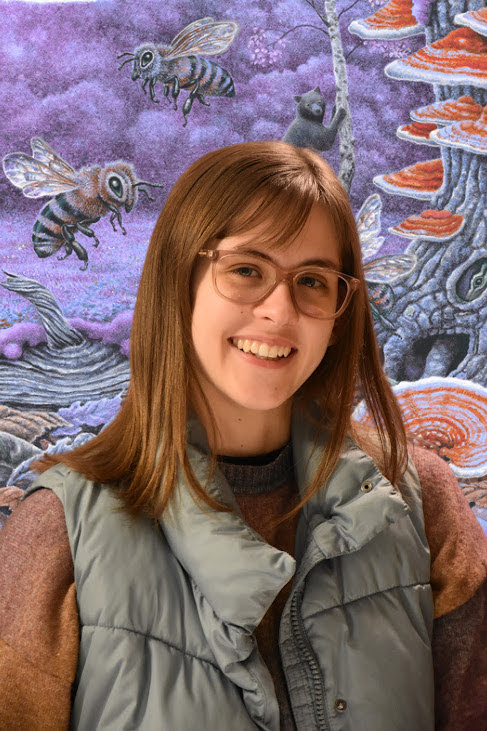
Molly Quade, Masters Student
- Managing Varroa mites using entomopathogenic fungi
- Enhancing honey bee health through fungal applications
- Fungal strain selection and improvement for biological control development
Available for virtual and in-person events anytime.

Mckaela Hobday, Ph.D. Student
- Beekeeping basics
- Honey bee pathogens and diseases
- Honey bee pests
- Honey bee nutrition basics
- Honey bee biology and anatomy
- Raising larvae in vitro (for research applications)
Available for virtual and in person events
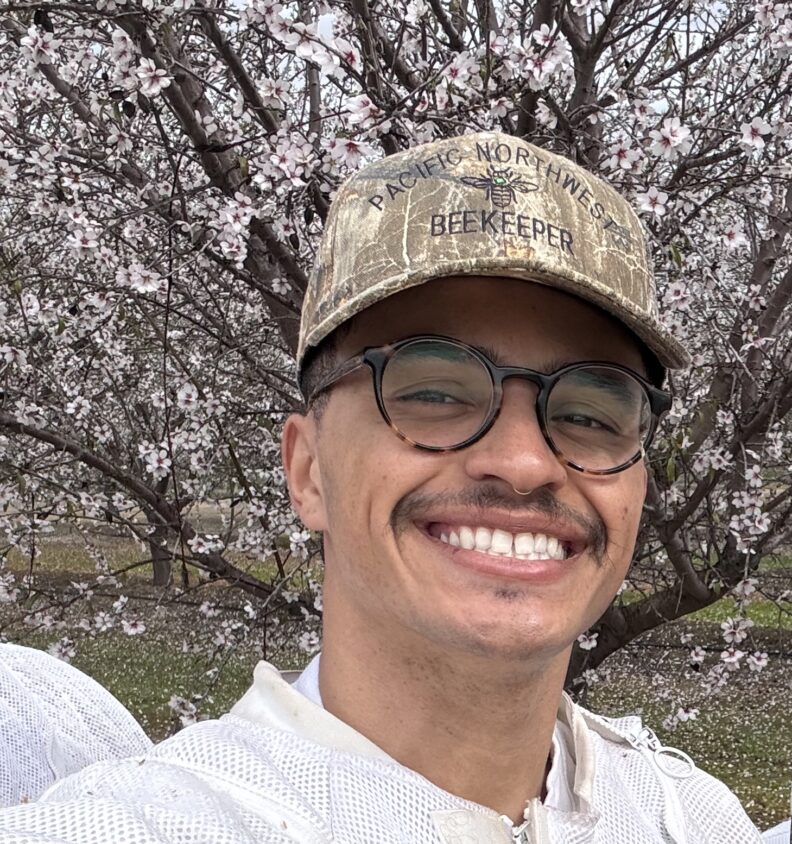
Taydin Macon, Ph.D. Candidate
- Using environmental DNA (eDNA) to detect pests and pathogens in bee hives
Available for virtual and in-person events.
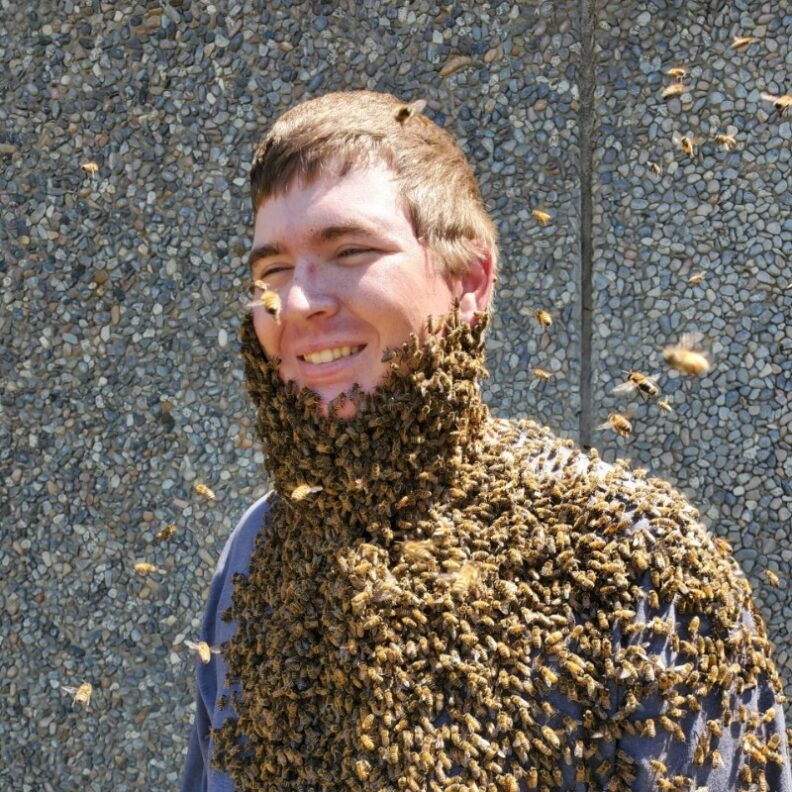
Riley Reed, Ph.D. Candidate
- Use of supplemental feeding to maintain isolation to vegetable seed crop pollination
- General varroa biology
- Introduction to beekeeping
Available for virtual and in-person events in April, and September through December.
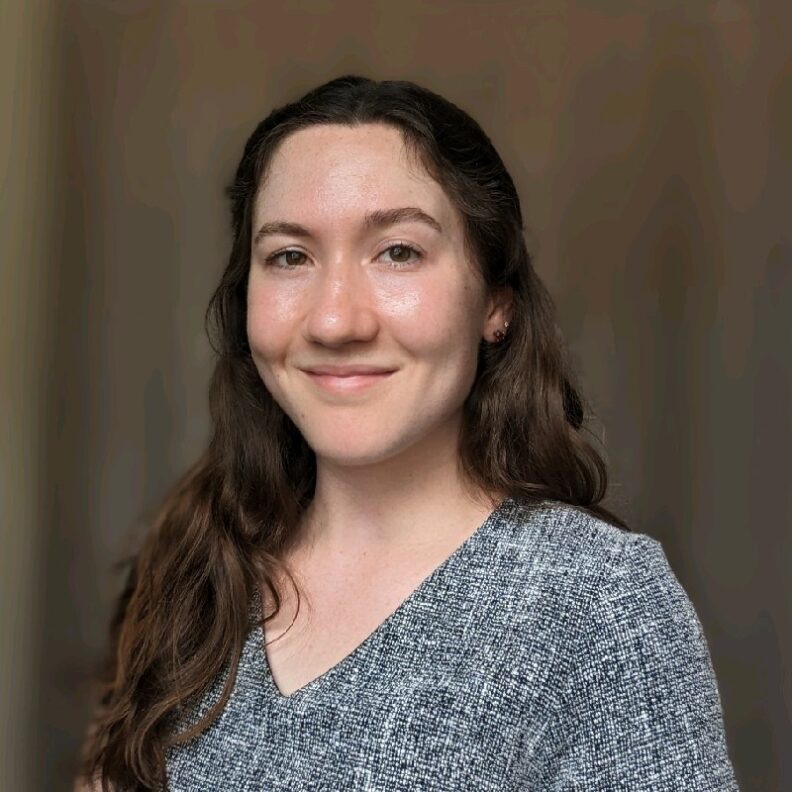
Dr. Allyson Martin, Washington Research Foundation Postdoctoral Fellow
- Honey bee nutrition and supplemental feeding, including novel immune-stimulating feed additives
- The role of the gut microbiome in overall honey bee health and how best to support it
- Honey bee pests, parasites, and pathogens (e.g. Varroa, Nosema, viruses, etc.)
- Blue orchard bee (Megachilidae: Osmia lignaria) biology, ecology, and role as tree fruit pollinators
Available for virtual and in-person events anytime.
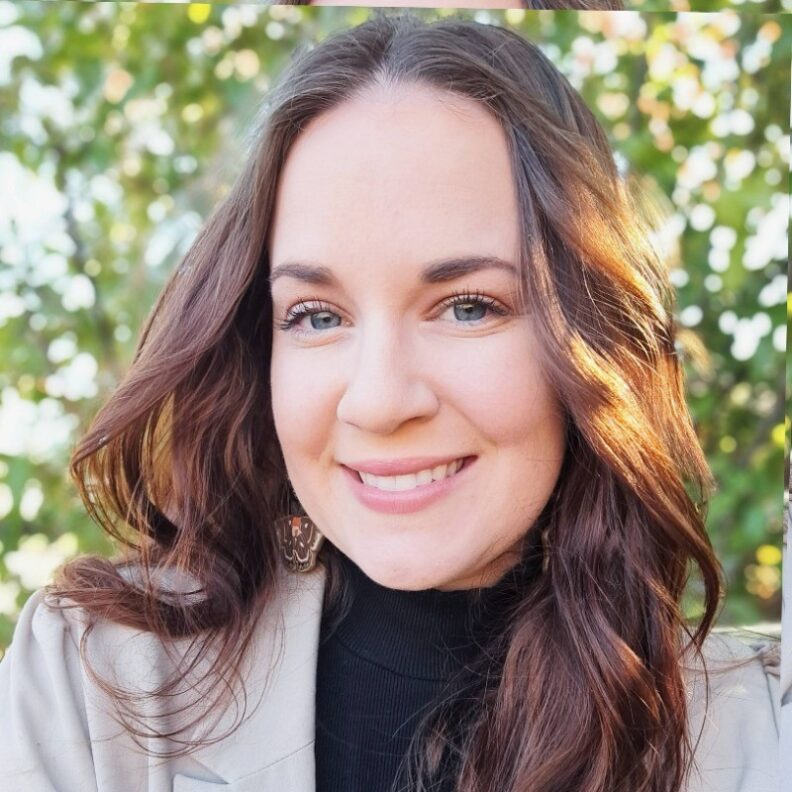
Bri Price, Honey Bee Program Extension Coordinator
- Overview of research programs in the WSU Bee Program
- Updates on WSU Bee Program extension and outreach
- Information on Washington State Beekeepers Association (WASBA) Master Beekeeper Program & other educational levels
- Small hive beetle as an emerging pest in WA State
- Pests, parasites and pathogens of honey bees
- Wild or native pollinators habitat management, pollinator diversity, native pollinator programs in WA State
Available for virtual and in-person events anytime; prefers virtual attendance if event is in Eastern WA.
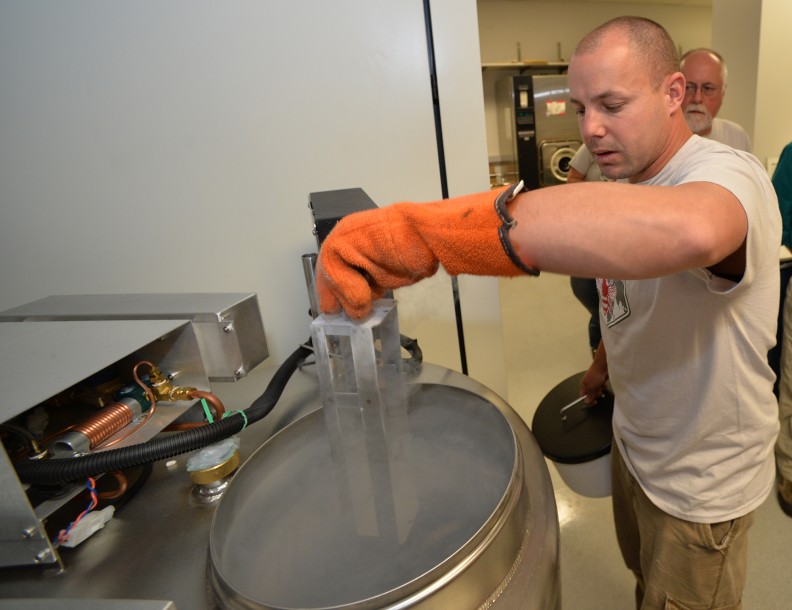
Dr. Brandon Hopkins, P.F. Thurber Endowed Professor of Pollinator Ecology
- The use of cryopreserved honey bee germplasm in honey bee breeding, genetics, and trait selection
- Honey bee pests, parasites, and pathogens
- Improving health and survivorship of commercially managed honey bee colonies by utilizing indoor storage
Available for virtual and in-person events.
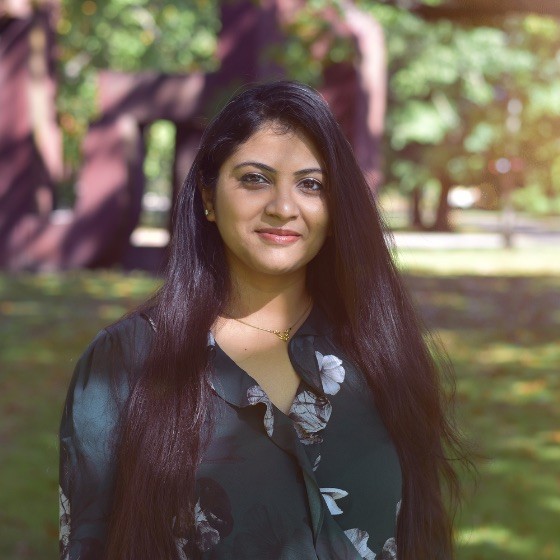
Dr. Priya Chakrabarti Basu, Assistant Professor of Pollinator Health and Apiculture
- Honey bee biology basics
- Honey bee nutrition basics
- Foulbrood diseases in honey bees and veterinary feed directive
- Impacts of multiple stressors on bees
- Interaction between pesticide and poor nutrition on bees
- Building a national pollen phenology wheel for beekeepers
- Building a pollen nutrition database for North America
- Current research on impacts of pesticides on bees
- Current research on impacts of poor nutrition and climate change on bees
- Supplemental feeding and seasonal nutritional management of colonies
- Pests, parasites and pathogens of honey bees
- Native bee biology and pollination ecology
- What we know about the nutritional quality of bee forage
- Honey bee reproduction
Available for virtual and in-person events.